
Is it possible for a machine to grind more efficiently than a human being? I’ve seen this topic on a number of manufacturing floors in my 8 years in the industrial grinding business. Now I know what is the best choice for excellent outcomes with Robot Grinders.
In this essay I compare robot grinders with angle grinders. I look at torque, revolutions per minute (RPM) and load. I also talk about the deliverables, costs and the winning tool for your project.
What Is a Robot Grinder and What is the Working Process?
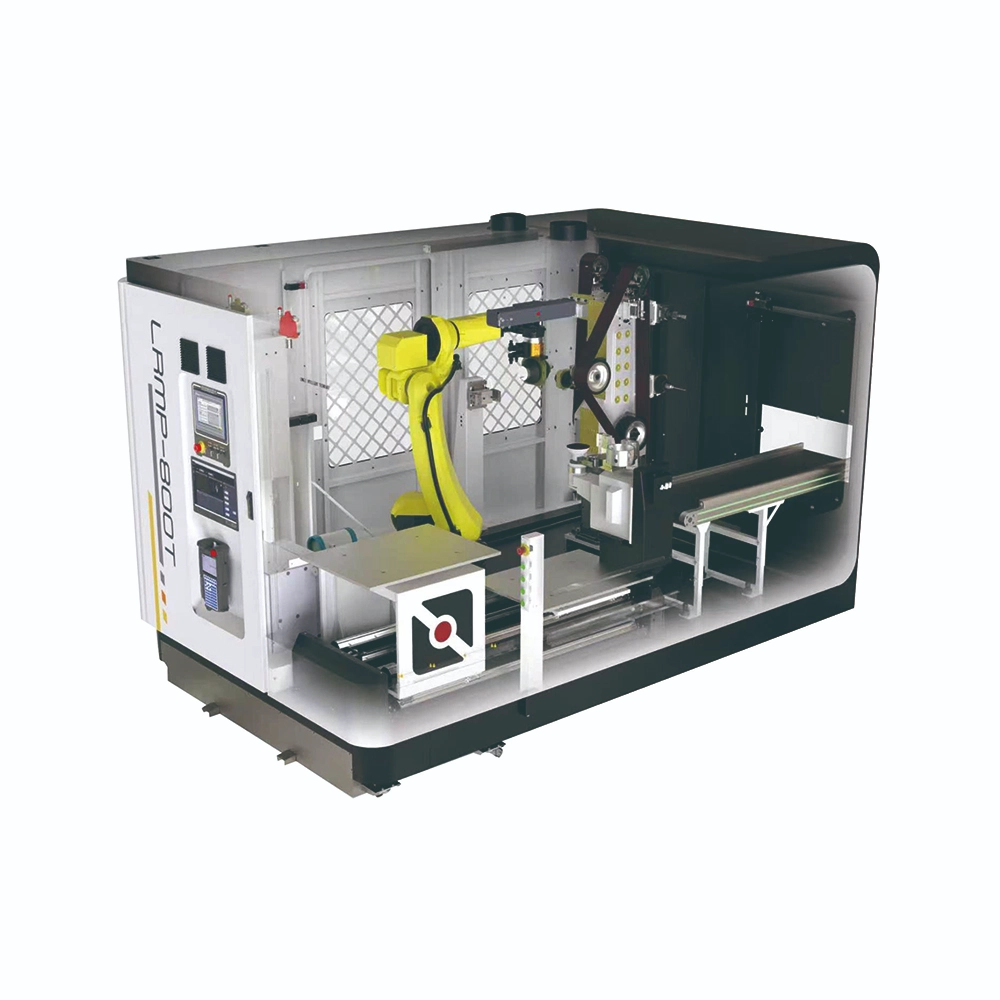
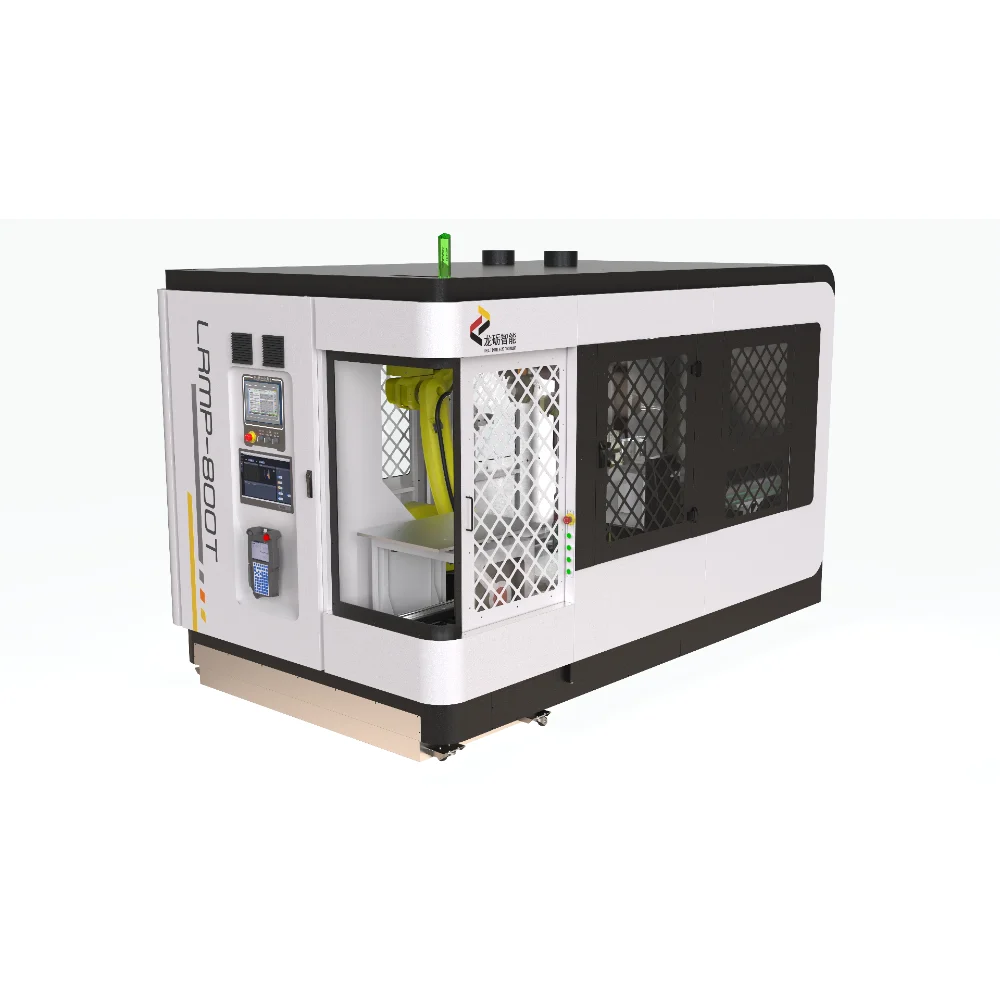
A robot grinder is a machine with a robotic arm. It holds a grinding tool. It gives a smooth or shiny surface to metal. It can be held without the help of a person. The arm follows the predetermined path. It uses sensors to keep the force constant. The robotic grinding systems run around the clock.
The servo motor enables the grinding robot to adjust the speed and force. Whatever the material, it’ll work. Robotic grinding equipment comes with a smart network of sensors and safeguards. They are employed by automobile , ship and airplane manufacturers. Every grind is the same.
Robot Grinder vs. Angle Grinder: Core Technical Specs Compared
| RPM Range | 3,000 – 12,000 | 5,000 – 11,000 | Robot = more stable |
| Torque Control | Servo motor | Human hand | Robot = more precise |
| Load Consistency | ±2% variance | ±30% variance | Robot = far better |
| Daily Run Time | 24 hrs/day | 4–6 hrs max | Robot = 4x longer |
| Repeat Accuracy | 99.8% | 60–70% | Robot = much higher |
How Does Torque Output Differ Between Robotic & Manual Grinding?
Can a robot grinding machine provide more torque as compared to a human hand? Yes, and it balances it too. The robot is powered by a servo motor. It puts more pressure on the hard spots. It pulls back on flexible ones. Some point a person will get tired of this. After twenty minutes the hands start to tire. Declining power. Quality also declines. It doesn’t matter what the part number is. A robotic grinder will apply the same amount of torque.” This is essential in the aeronautical or medical field. Grinding robots also protect the wheel against overloading. In the long run this saves money and extends the life of the tools.
Torque by Material Type
Meanwhile a robotic grinder scans the surface. It makes a quick adjustment to the force before the wheel slows or breaks.
| Material | Torque Needed | Robot Error | Manual Error |
| Mild Steel Weld | 18–24 Nm | ±1.5 Nm | ±7 Nm |
| Stainless Steel | 22–28 Nm | ±2 Nm | ±9 Nm |
| Cast Iron | 30–38 Nm | ±2.5 Nm | ±12 Nm |
| Aluminum Alloy | 10–15 Nm | ±1 Nm | ±5 Nm |
Benefits of torque control in robotics:
- Prevents wheel failure from unexpected load increases
- Consistently high-quality finishes over long runs
- Reduces scrap and rework requirement
- Easy to handle even on the most delicate surfaces
Torque Method Comparison: Servo vs. Manual
| Point | Robotic Grinding Automation | Manual Angle Grinder |
| Torque Source | Servo motor | Human arm |
| Load Response | Auto-adjusted | Varies with effort |
| Overload Protection | Built-in cutoff | None |
| Data Logging | Yes | No |
In summary, the robot torque is 4 to 6 times more constant than the man torque. Not a bonus, but an essential for critical components. Manual grinding is still an option for easy, modest or one off jobs.
Does RPM Stability Affect Surface Quality and Speed?
Is the constant RPM really the reason why robotic grinding is known for a smoother finish? That’s a big consideration. No question about it.” A robot grinding machine using a constant wheel speed. It doesn’t slow when it hits solid metal. The motor is swift to respond. A person’s speed decreases with the exertion of more force. This leads to rough lines and uneven cuts. In systems with automatic grinding robots, the RPM does not vary by more than ±50 RPM. The result is a smart, sophisticated look. For aerospace the Ra value must be below 0.8 microns. There is no way a robotic grinder could ever miss that mark.
RPM by Industry Sector
Grinding robots used by auto manufacturers spin at 6,000-8,000 RPM to remove weld seams. Slow and stable rotation speed prevents the burning of sensitive metal sheets.
Benefits of stable RPM in robotic grinding
- Protects against overheating caused by load spikes
- Equal removal of metal on all surfaces
- Grinding wheels with long life
- Cycles are on time
Robotic grinding and polishing at a constant RPM yields a better finish, less waste and faster tasks. On really simple jobs, on isolated jobs, hand grinding is better.
What Do Real Factory Results Say About Robot Grinder Output?
Has there been any proof from real manufacturing that a robot grinder is more efficient and cheaper than an angle grinder? The facts speak for themselves. Cycle time for robot grinding machines is often 40-70% faster than manual labor. In one automobile plant, two automated grinding robot cells replaced six hand grinders. Sales +38%. Trash down 22%. One is velocity. It is a controlling factor of load, quality, tool wear etc. Cost of robotic grinding falls from 18 to 24 months The first cost is high. But once you cross break-even, the cost per piece falls off a cliff.
Real Industry Results- Robot vs. Manual
| Industry | Task | Robot/hr | Manual/hr | Quality Win |
| Automotive | Weld seam removal | 420 parts | 180 parts | 35% less rework |
| Aerospace | Titanium deburring | 95 parts | 40 parts | Ra up 60% |
| Heavy Steel | Casting flash removal | 310 kg | 130 kg | 80% less dust |
| Medical | Implant polishing | 200 parts | 55 parts | 100% pass rate |
What the data shows
- “Robotic grinding is two to three times faster than in most other industries.”
- Manual grinding is only preferable for one-time or test components.
- Return on investment for robotic grinding is 14-24 months.
- The use of grinder robot systems reduced the injury rate by 90% or more.
Pros and Cons: Robot Grinder vs. Angle Grinder
| Factor | Robot Grinder | Angle Grinder |
| Batch Speed | 2–3x faster | Faster for 1–5 parts |
| Precision | Very high, repeatable | Good for simple shapes |
| Worker Safety | Removes exposure risk | Worker stays in control |
| Cost Per Part | Lower over time | Lower upfront |
| Flexibility | Fully programmable | Easy to move and adapt |
Simply put, robotic grinding automation is the solution for high volume, critical parts or hazardous work. Hand grinders are still ideal for small jobs, maintenance and outdoor work.
Frequently Asked Questions
Does a robotic grinder produce the same torque as a human operator?
It controls it more. A robotic grinder can adjust the torque setting on the fly. Manual torque of a worker decreases when the worker gets fatigued.
Servo motors have constant output.
Overload cutoff to prevent damage to the wheel
I log every bit of torque data.
What metals can be ground by robot grinding machines?
Yeah. A robotic grinder can operate on cast iron, steel, aluminum, titanium, stainless steel and other materials. All you need is new materials and some reprogramming.
You can change the speed and the route as you wish.
Force differences by material type
Using a same arm for many metal tasks
What is the cutting speed (RPM) of robotic grinding systems?
Robotic grinding systems typically operate at 3,000 to 12,000 revolutions per minute. The optimum speed depends on the material and the desired finish.
Lowering RPM for fine polishing
High RPM for fast stock removal
RPM is not dependent on load.
Is robotic grinding worthwhile in the long run?
Yes. The cost per part of robotic grinding is initially expensive but rapidly decreases. Between fourteen and twenty-four months, most industries reach break-even.
Better contact, less waste
Less rework due to fewer defective parts
Reduction in the unit cost of labor
In what industries are robotic grinding and polishing tools used?
The use of robotic grinding and polishing is well known in the transport, aerospace, medical and shipbuilding industries. It can be used by any factory that wants a smooth surface.
Automobile: structural parts, and joints
Deburring of aircraft alloys
Clinical: Implant polishing
Is it safe to have a grinding robot near working people?
Yes, in an ideal world. Today’s grinding robots have guards, light sensors and automatic stop features.
Reducing workers’ exposure to dust
Minimizes risk of vibration-related injuries
It stops stone dead when anyone comes too close.
Conclusion
The truth is there for everyone to see. In torque, RPM, production and quality of finish, robot grinders have an edge over angle grinders. Manual grinding is still a useful way to do small jobs and repairs in the field. If you want to increase production, while decreasing robotic grinding costs and improving quality, moving to robotic grinding automation is a good move. This has been proven again and again in factories in the medical, aerospace and automobile industries.
Are you ready to switch over? LongLi is a well-known manufacturer of robot grinding machines. Proven robotic grinding systems built by them are used worldwide. Whether you need a single grinder robot cell or a complete robotic grinding and polishing line, you can rely on LongLi’s products, staff and support. Now LongLi for smarter grinding.