
How can a shiny steel part get dull and rusty in just a few weeks in storage? I’ve been working with metal finishing machines in the industrial coatings sector for 12 years, and hear this question on almost every shop floor.
It describes how oxidation is formed, what abrasive methods are used to remove it and what cleaning steps are used to prevent it from returning.
What Is Surface Oxidation In Metal Finishing?
Surface oxidation is caused by the reaction of metal with oxygen and moisture in the air. Iron and steel develop a red-brown rust; aluminium and copper develop a duller grey or green film. Humidity, salt air, and oils left on the part from handling speed this process up. Then metal finishing machines remove the damaged surface layer to reveal clean base metal.
If not treated, oxidation can make a part look bad and become weak. It also keeps paint & plating from sticking later on. The right metal surface finishing machine can catch oxidation early, saving time and money.
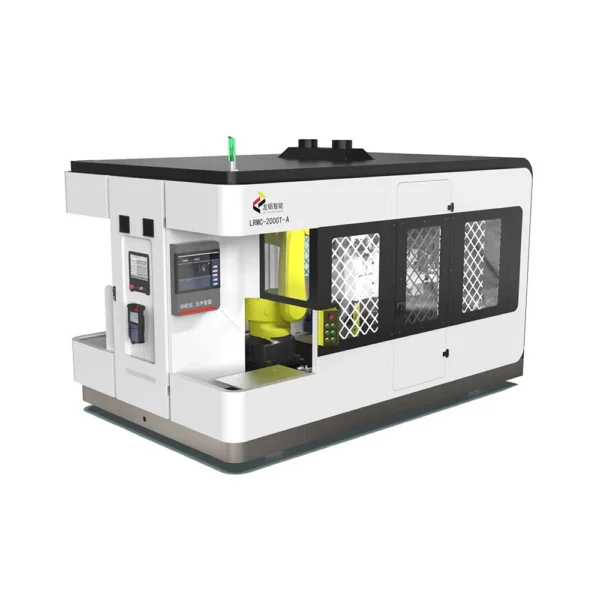
Common Surface Oxidation Types And Their Causes
| Oxidation Type | Common Metal | Main Cause | Visible Sign |
| Red Rust | Carbon Steel | Moisture + Oxygen | Reddish-brown flaking |
| White Rust | Galvanized Steel | Condensation | Chalky white spots |
| Tarnish | Copper, Brass | Air + Sulfur | Dull brown or black film |
| Pitting Corrosion | Stainless Steel | Salt + Chlorides | Small dark pits |
Which Abrasive Methods Remove Oxidation Most Effectively?
Abrasive removal is the quickest method to remove oxidation from metal. A wide belt metal finishing machine uses long sanding belts to grind rust evenly on flat panels. Smaller metal finishing deburring machines take care of the edges wider belts miss. The machine is as important as the grit. Coarse grit cuts fast, but rough. Fine grit finishes smooth.
Choosing The Right Abrasive Grit For The Job
36 to 60 – coarse grit. Removes heavy rust quickly but leaves scratch lines. Medium grits (80 to 120): Good speed/quality balance for most repairs. For a paint-ready finish, use 180 grit and finer on dry metal finishing machines. Operators usually do 2 or 3 passes, from coarse to fine.
| Abrasive Type | Grit Range | Best Use | Finish Result |
| Ceramic Belt | 36–60 | Heavy rust removal | Rough, fast cut |
| Zirconia Belt | 80–120 | General oxidation cleanup | Medium smooth |
| Aluminum Oxide | 150–180 | Light surface refresh | Smooth, even |
| Non-Woven Pad | 220–320 | Pre-paint finishing | Fine, matte |
- Match grit to depth of oxidation, not just metal type
- Change worn straps early to prevent pressure marks
- Low feed speed on thin sheet metal
- Check belt tension on sheet metal finishing machines daily
Why Does The Order Of The Removal Process Matter?
Omitting a step in the finishing process often means having to redo the job later. The usual order is degreasing, abrasive grinding, buffing and a final inspection. Any abrasive work done before degreasing will grind the oil and grit deeper into the metal. Industrial metal finishing machines run in the proper sequence, cutting processing time in half.
Manual Versus Machine-Based Finishing Process
Manual finishing uses hand sanders, wire brushes, and operator time per part. It works for small repairs but is hard to be consistent from batch to batch. Sander widebelt metal finishing machines maintain a constant pressure and speed across the surface. This consistency is most important to buyers comparing metal finishing machines for sale for full production runs.
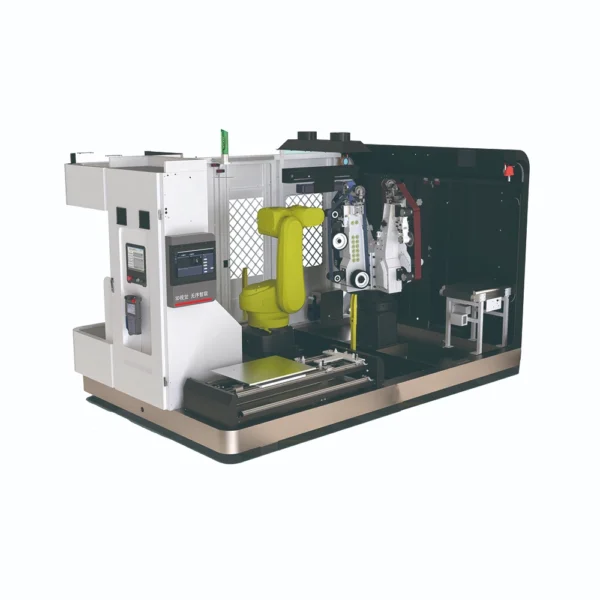
| Abrasive Type | Grit Range | Best Use | Finish Result |
| Degreasing | Rag and solvent | Spray tunnel | Machine 3x faster |
| Abrasive Pass | Hand sander | Belt or wheel | Machine 5x faster |
| Buffing | Hand polish | Rotary buffer | Machine 4x faster |
| Inspection | Visual only | Visual + gauge | Machine more accurate |
Manual labour is more economical at first, but not consistent for large orders. Machine processing is more costly to set up but quickly reduces hours of labour. The machines pay for themselves after a few runs on high volume parts. For individual custom pieces, manual touch-up still makes sense.
- Degrease before any abrasive contact.
- Test pass on scrap first
- Shine bright light on it, not just store lighting
- Repeat job log grit and speed settings
How Does Final Cleaning Stop Oxidation From Returning?
Rusting away The rust doesn’t stop new oxidation from forming days later. A rinse-and-dry cycle will get rid of loose abrasive dust that traps moisture on the metal. Passivation dips intentionally create a thin protective oxide film on stainless parts. Even metal surface finishing machines that have a built-in dryer will lessen the risk of flash-rust.
Real Cleaning Outcomes Across Different Industries
| Industry | Part Type | Cleaning Method | Result Summary |
| Automotive | Brake brackets | Rinse + passivation | No flash rust after 30 days |
| Kitchen Equipment | Steel countertops | Dry + buff | Mirror finish, no streaking |
| Marine Hardware | Deck fittings | Salt-rinse + seal coat | Reduced pitting in field tests |
| Screw Machining | Small fasteners | Vibratory clean | Clean threads for metal finishing for screw machined parts |
- finishing for screw machined parts
- Rinse off with clean water and dry
- Dry thoroughly within 15 minutes to avoid flash rust
- Store finished parts away from damp corners
- Flash Rust Inspect parts after 24 hours
Frequently Asked Questions
How to remove rust from steel sheets the fastest way?
Sheet metal finishing machines with a coarse abrasive belt is the fastest way to remove rust on flat panels. Then a finer pass smooths it out for paint.
- For heavy rust, use 36 to 60 grit.
- Make several light passes, not one deep pass
- Final with a finer grit for a smooth finish
Can the metal finishing machines be used for aluminium and copper as well?
Yes, most machines do change speed and grit to safely handle softer metals. Incorrect settings can cause deep scratches that are difficult to repair.
- Put less pressure on soft metals
- Use the best grits to avoid deep scratches
- Always try on a scrap first
When should abrasive belts be replaced?
Replace belts when the cutting speed decreases or pressure marks are visible. Worn belts waste more material than they take off.
- Daily check belt surface for glazing
- before the quality of output drops
- Stock spare belts for busy runs
Will oxidation always return after it is completed?
If parts are not cleaned, dried and stored properly it can return quickly. Flash rust normally occurs in about 24 to 48 hours.
- Rinse and dry in 15 minutes.
- Passivate stainless steel parts
- Store finished parts in areas of low humidity
Conclusion
Each problem has a clear fix once you know what to look for. Oxidation problems are usually the wrong tool, the wrong grit or a missed cleaning step. All of this is included in one reliable line of metal finishing machines from LongLi, from grinding to final cleaning.
Their range includes a single dry metal finishing machine to complete wide belt metal finishing machine production lines for shops that cannot afford inconsistent results. LongLi has the machine to permanently solve rust, slowing down your production.