
Will an automatic buffing machine work on a painted panel? Can it do this without removing the colour? These machines know the actual answer. The answer is “yes, but only if you have the right pad, and the right pressure.
This article describes the working of an automatic buffing polishing machine on paint. It includes abrasion risks. It contains safe places. It also covers how to pick a machine that will not damage your paint.
What Is an Automatic Buffing Machine?
An automatic buffing machine is a power tool. It twirls a pad on a surface. The pad removes minor imperfections and shines. The results are more even than when buffing by hand.
Most machines have pads that can be changed. Pads can be wool, foam or micro fibre. Each compound is paired with a pad. Huge machines, such as an automatic stainless steel buffing machine, are manufactured for metal plants.
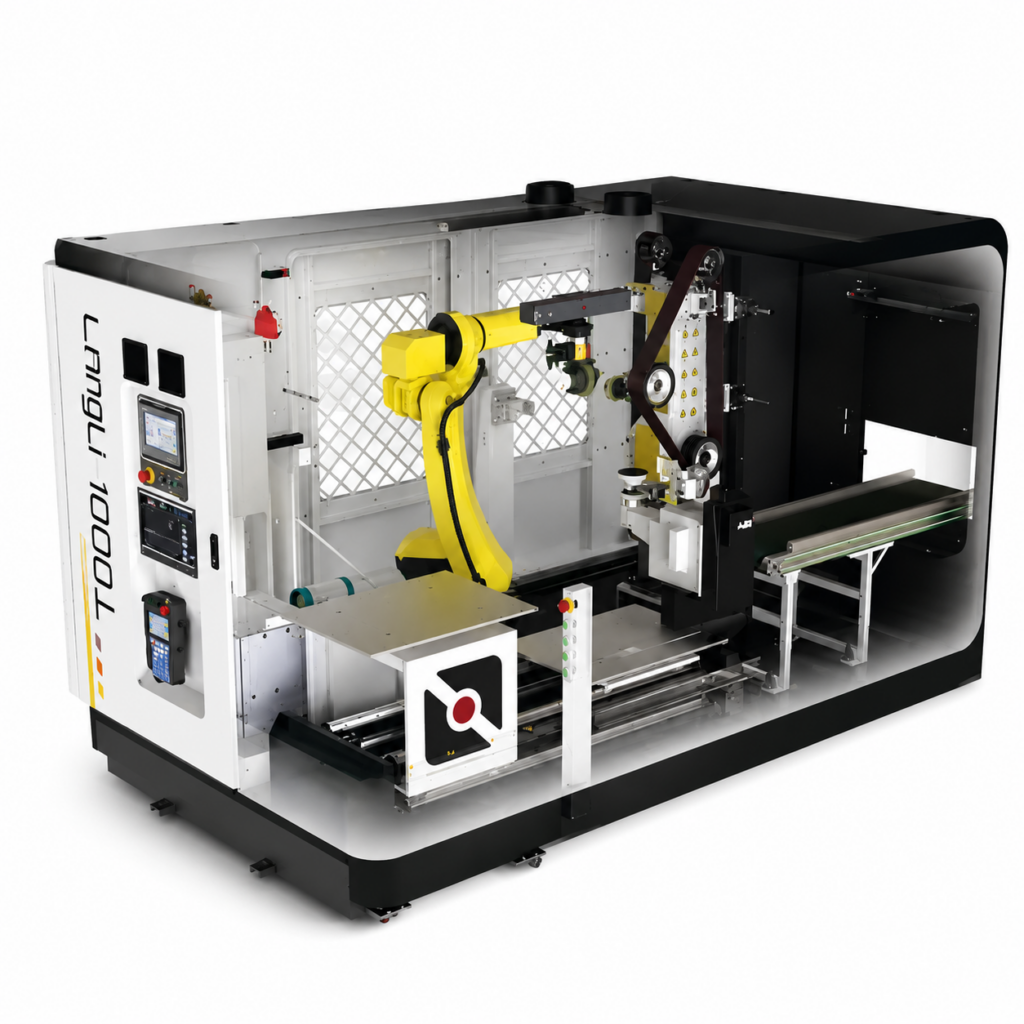
Key Facts About Automatic Buffing Machines
| Attribute | Detail |
| Primary function | Removes surface flaws and adds shine |
| Common pad types | Wool, foam, microfiber, felt |
| Typical speed range | 600–3,000 RPM (varies by model) |
| Main industries | Automotive, metal work, furniture, appliances |
| Power source | Electric or air-powered |
Is Buffing Safe for Painted Surfaces?
Buffing is safe for paint when the correct speed and pad are used. The paint has a very thin clear coat. It is only a few microns thick. A hard pad or high heat burns through it quickly.
A semi automatic buffing machine has a person controlling the pressure by hand. It is usually milder than a machine set at fixed pressure. The operator can tell when to back off.
Four things make the job secure. They have their part to play in how paint responds to buffing.
- Pad hardness– foam pads produce less heat than woollen pads
- Machine speed– The slower the speed the less chance of burn-through
- Compound grit- For heavy repair use coarse compound only
- Dwell time– staying on one spot too long builds up heat
Missing these steps can result in swirl marks. It can also give a burnt edge to the paint.
How Does Abrasion Affect Paint Correction?
Paint correction is a mild abrasive to correct scratches and swirl marks. The goal is to remove enough to make the surface flat. Then a finer pad is used to bring the shine back.
Thicker compounds cut faster but leave a rougher surface finish. Then we have to smooth that rough surface. Each stage in the process is designed to fix the marks left by the preceding stage.
Correction Stages Compared
| Stage | Pad Type | Compound | Typical Result |
| Heavy cut | Wool | Coarse cutting compound | Removes deep scratches |
| Medium cut | Foam (firm) | Medium compound | Levels light swirl marks |
| Fine polish | Foam (soft) | Fine polish | Brings back gloss |
| Finishing | Microfiber | Finishing glaze | Removes leftover haze |
The buffing machine automatic set-up shop goes through all four stages in sequence. Omitting a stage often leaves haze that appears in bright sunlight.
What Settings Prevent Damage on Painted Panels?
Use medium speed and clean pads to avoid damage. Most shops run painted panels at 1,200 to 1,800 RPM. That’s well below the top range on most machines.
Wipe or swap pads between panels. Old compounds stuck on a pad can scratch fresh paint. Edges and body lines need less pressure as the paint is thinner there.
The pad should continue to move in overlapping strokes. It shouldn’t be spinning while sitting still. This spreads the heat so no one spot is too hot.
The buyers who are working with an automatic buffing machine exporter are to ask about speed control. You do not want a fixed speed machine because you can slow down to paint.
Automatic vs Manual Buffing on Paint
Automatic machines give a result more uniform than hand buffing. A hand pass is a function of the operator’s steadiness and fatigue. That can vary from panel to panel.
The machine ( automated or semi-automated ) applies the same pressure every time . This is good for a busy production line. It can be dangerous if the initial settings are wrong for the paint.
The point is simple. Automation reduces human error but only if the pad, compound and speed are set correctly for the paint.
What Does an Automatic Buffing Machine Cost?
The price of an automatic buffing machine varies greatly. Small benchtop units are a few hundred dollars. Large industrial line systems can run several thousand dollars.
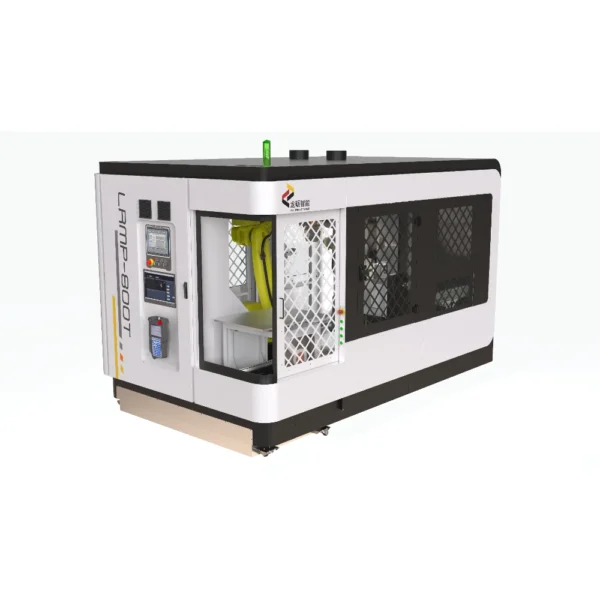
The cheaper units are often purchased by small shops. Large plants that do car or metalwork usually buy larger systems. The purchase decision should not be based on price alone.
When searching for listings of auto buffing machines for sale, motor power and speed range should be considered. Pad fit is important as well. A cheap machine without speed control is not good for paint work.
Frequently Asked Questions
Can you use a buffing machine on a freshly painted car?
An automatic buffing-machine can be used on freshly painted cars but only after the paint has cured. Curing usually takes 30 days or more. If you buff too soon you will trap the solvents and haze the paint.
- Wait for the curing period the paint maker has set.
- Test on a small hidden area first
- Use a soft foam pad and light pressure on the fresh paint
What’s a safe RPM to buff a clear coat?
Generally 1200 to 1800 RPM is a safe RPM for buffing a clearcoat. Speeds beyond this range generate more heat. That heat can pass through a thin, clear coating quickly.
- Speed near edges and body lines is lower
- Reserve faster speeds for severe oxidation only
- Try out the speed on a small zone first
Can swirl marks be left on paint by automatic buffing polish machines?
Swirl marks can be the result of dirty or too coarse pads on automatic buffing polishing machines. Swirl marks are caused by small grit particles dragging unevenly across the paint.
- Use a finer pad on the last pass
- Change or clean pads between panels
- Keep the pad moving vs. Holding it still
Are semi-automatic buffing machines better for beginners?
Beginners are usually better off with semi-automatic buffing devices. The operator maintains control of pressure and timing. This allows you to avoid an error before it has been made.
- More easy to fix errors in the pass
- Less chance of burning through thin paint
- Better for odd shaped panels
When to Change Buffing Pads?
Buffing pads need to be changed or cleaned frequently. Many foam pads require some attention after just a few uses. A dirty or worn pad won’t cut evenly, and can scratch paint.
- Cleaning pads in between each panel during repair work
- Replace pads when foam feels hard or glazed
- Have separate pads for cutting and for finish
Apart from automotive, which other industries utilize these machines?
Automotive Industry The automated buffing machines are also used in other industries. These include metal work, appliance making and furniture finishing. Kitchen equipment commonly features a stainless steel setup for the auto buffing machine.
- Metal work for bright stainless steel components
- Furniture, hardware and small fittings
- Appliance panels and trims
Conclusion
Painted surfaces can do well on automatic buffing devices. This is true only if the speed, pad and compound are suited to the thin, clear coating. This is what makes a buffing job a clean, swirl-free finish.
For shopping automatic buffing machines manufacturer options for shops, LongLi is worth a look. Their machines have speed control that is safe for use with paint. This gives shops the control they need from heavy repair to the final soft polish.