
Hand buffing or CNC aluminum polishing machine? Is it worth it? I get this a lot at shops. The team at lironworks.com works with manufacturers on this choice, and one thing is clear: Once a shop switches, it rarely goes back to hand buffing.
This guide explains what these machines are and how they work. It also covers where they really pay off, common buying mistakes, and an easy way to choose the right machine.
What Is an Aluminum Polishing Machine?
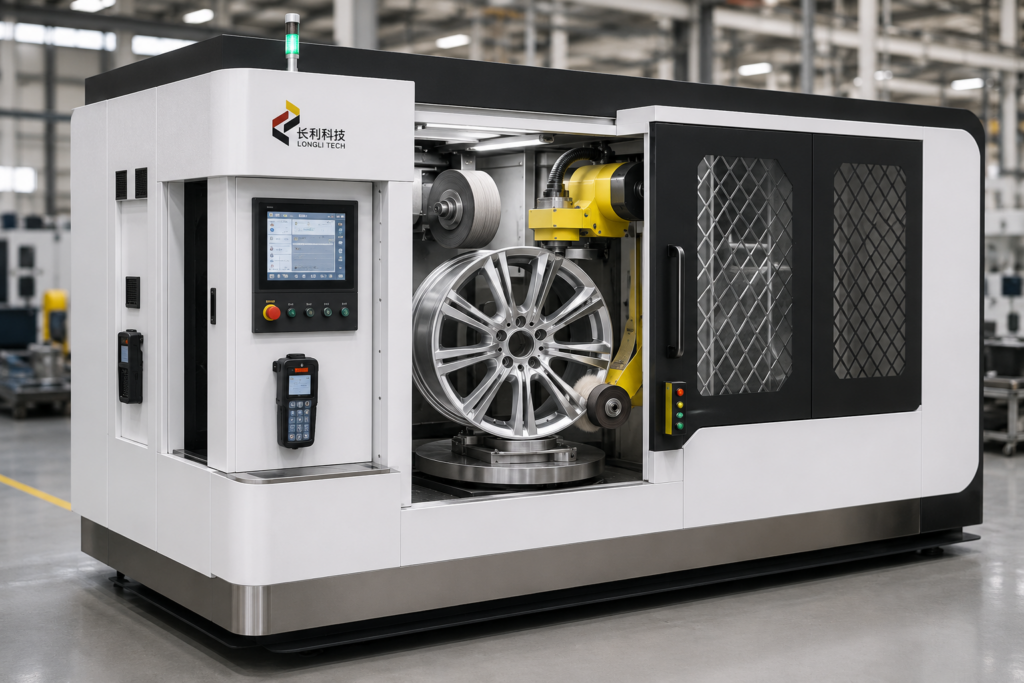
An aluminum polishing machine is a machine for polishing and shining parts. It does this with belts, wheels or buffing paste. It can substitute for or assist a worker who buffs parts by hand. Machines range from small bench buffers to full CNC (computer numerical control) with robot arms.
Each part will be processed by the CNC machine with the same path, speed and pressure. That’s why more shops are opting for it today. Some machines are made for round things, such as wheels. Others are for long, straight aluminium bars called profiles.
Aluminum Polishing Machine Types
| Machine Type | Who Controls It | Best For | How Steady Is the Finish |
| Manual buffing station | A worker, by hand | Small jobs, repairs | Changes by worker |
| Semi-automatic polisher | Fixed jig, powered head | Mid-size runs, one shape | Fairly steady |
| CNC aluminum polisher machine | A set program | Wheels, rims, profiles, big runs | Very steady |
| Robotic polishing cell | A robot arm with sensors | Mixed or hard shapes | Very steady |
How Does a CNC Aluminum Wheel Polishing Machine Work?
A CNC aluminium wheel polishing machine works by moving a polishing head along a defined path. The wheel is in a fixture and turns as it does its work. worker loading the part. The machine automatically controls speed, pressure and timing. Sensors maintain the pressure at a consistent level as the belt wears. This is beyond hand buffing. That’s why part one and part one thousand can look identical.
Typical example of a CNC polishing run
- Fixturing- the wheel is clamped to a spinning arm and centred.
- Set path- 4 to 6 axis head that follows the shape of the part, spokes and all.
- Belt changes- rough belts remove any marks, then finer wheels apply the polish.
- Checks while running- Sensors adjust pressure if the metal is slightly harder in one spot, running checks.
- Unload and check- parts are checked against a target smoothness before the next step.
CNC vs Manual Polishing: Which One Gives Best Result?
A cnc aluminium polisher machine provides a more steady result than hand buffing. This is because the path, the pressure, and the belt are all programmed, not the judgement of a worker. The amount of hand buffing done depends upon the fatigue of the workman and his skill. So the same thing can appear different from one shift to the next. Machine polishing of aluminium parts also helps to reduce bad parts from over buffing or missed spots. The program treats all parts equally.
| Factor | Manual Buffing | Semi-Automatic | CNC Aluminum Polishing Machine |
| Steadiness | Depends on worker | Fairly steady | Very steady |
| Labor needed per part | High | Medium | Low, mostly loading |
| Typical shine level | 0.4–1.6 μm Ra, changes | 0.2–0.8 μm Ra | 0.05–0.4 μm Ra |
| Risk of over-buffing | Higher | Lower | Lowest |
The bottom line is that hand buffing still works for one off repairs. But any shop that makes the same part over and over has more to gain from a machine that takes the guesswork out of the process.
Which Industries Use Aluminum Rim and Profile Polishing Machines?
Aluminium rim and profile polisher devices are found in more places than car plants. Most common use is for wheel work. But builders and appliance makers use the same idea.
- Car and motorcycle wheels: An aluminium rim polishing machine will work on the barrel, spoke and lip of a wheel.
- Building trim and frames: A profile polish machine for aluminium finishes window frames, rails and trim i.e. building trim and frames.
- Boat parts and fittings: Cleats and rails require a bright, rust-proof surface.
- Kitchen and appliance parts: trims and handles need the same clean look, run after run.
What Drives the ROI of an Aluminum Wheel Polisher Machine?
There are three things that determine the return on cost, or ROI, of an aluminium wheel polisher machine: less labour, more parts made per hour and less waste. Hand buffing requires one skilled man at each station. That worker can only go so fast. A CNC Cell can run many parts per cycle with one worker loading parts and checking quality on a few machines. Steadier results also means less rework, and less wasted material.
Factors that affect the speed of the machine’s payback
- How many parts do you make- the more parts you make the faster the payback.
- Local labour costs- higher wages for workers mean faster payback.
- Belts and paste- these are items that are used up over time.
- Uptime- how often the machine runs without breaking down.
- Waste rate- before and after the switch.
Major Errors When Buying an Aluminum Rim Polishing Machine for Sale
Buyers most common mistake is to buy an aluminium rim polisher according to price only. They bypass checking if it fits their precise wheel or profile shape. A low-cost machine that cannot hold your part usually requires costly new fixtures down the road. Another mistake is to overlook the dust and slurry system that is needed to keep the shop safe and clean. Buyers also forget to ask how quickly they can get spare parts. A slow supplier can hold up your queue for weeks.
How Should You Choose the Right Aluminum Profile Polishing Machine?
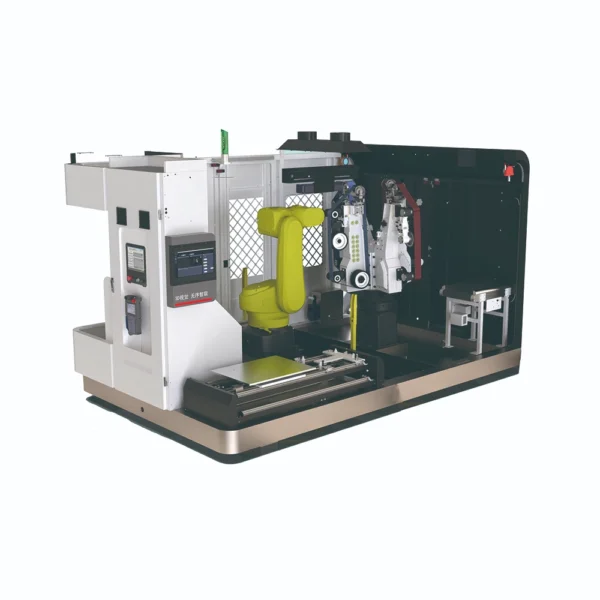
The first step in the process is to choose an aluminum polishing machine that suits your part shape, desired shine and batch size. Price follows that. A machine made for round wheels will not do well on long straight bars, and vice versa. Here is a short list for you to look at before asking for a quote:
- List of shapes and sizes that the machine has to work with.
- Set a target shine level (called Ra) for the finished part.
- See how many axes the polishing head needs for your shape.
- Ensure dust and slurry system complies with local regulations
- Ask about how quickly you can get parts and support.
Frequently Asked Questions
- What is the time for a CNC aluminum polishing machine for each wheel?
It has a few minutes per wheel for each station. The exact time depends on the size of the wheels, the desired shine and the number of steps the program uses. Flat spoke faces are faster to make than barrels and lips. Cells with more than one station reduce the time per part because wheels move side by side.
- How much shine can CNC Aluminium Polisher Machine do?
Mirror-like finish A CNC aluminium polisher can reach a Ra of 0.05 to 0.4 μm typically. This is a measurement of how smooth the surface is. The exact result depends on the belts used, type of aluminium and how well the part fits its fixture. Fewer steps and a broader spectrum give a softer, satin look.
- Is a CNC aluminium polishing machine more expensive than hand buffing?
It costs more than a hand buffing station. If you make enough parts, lower labour costs and less bad parts often make up for that first cost over time. On small, one-off jobs hand buffing may still be less costly.
- Can one aluminum wheel polisher handle both wheels and profiles?
Some aluminium wheel polishers can do both, if they have interchangeable fixtures and a flexible head. A machine that is only designed for one shape is often faster and more accurate. If you can build both parts and ask how long to change fixtures before assuming one machine can do it all.
- What maintenance is required for an aluminium wheel polisher machine?
A new set of belts, wheels and buffing paste is needed for an aluminium wheel polisher machine as the old ones wear out. Regular checks are also required for the spindle bearings, dust filters and clamps. The finish tends to become uneven after a while when it is not serviced regularly.
Conclusion
An aluminum polishing machine turns a slow, skill-heavy job into a consistent process every time. This is why hand buffing gets dropped by more shops as they grow in. The right choice still depends on your part shape, your axes and your fixtures.
If shops are interested in making this upgrade, LongLi at lironworks.com makes CNC aluminium polishing machines for wheels, rims and profiles. Their team helps you match the right machine to your actual production needs, not a one-size-fits-all solution.