
Have you ever lost a lot of it because of one sharp burr? I have seen it many times. I’ve been in the metal-cutting and surface-finishing business for 6 years and learned the hard way that the wrong auto deburring machine can cost you a lot.
This post will tell you how to fix it. You will learn how grit, RPM and material type are related. Also discussed are smart features, affordability, mobility and types of machines. By the end you will have a pretty good idea of what to look for.
What Is an Auto Deburring Machine?
This is an automatic process to eliminate sharp edges and burrs from metal components. Burrs like this are the byproducts of processes such as stamping, drilling, or cutting. They are not too tough, to say the least. They cause parts to fit badly. People get hurt. They are also more likely to damage equipment. Belts, brushes, or wheels on a metal deburring machine cut away the burrs. Whatever it is, it always gets the job done.
How a auto deburring machine works that is set up for pipe works is quite different from how one set up for sheet metal works. The form of the part changes, you need a different machine each time. Some machines are stationary. Some are manageable enough to carry. But as your production increases, it’s inefficient and unsafe to do it by hand.” A commercially available auto deburring equipment would be the most useful at this point. Saves time, preserves quality, reduces labor cost.
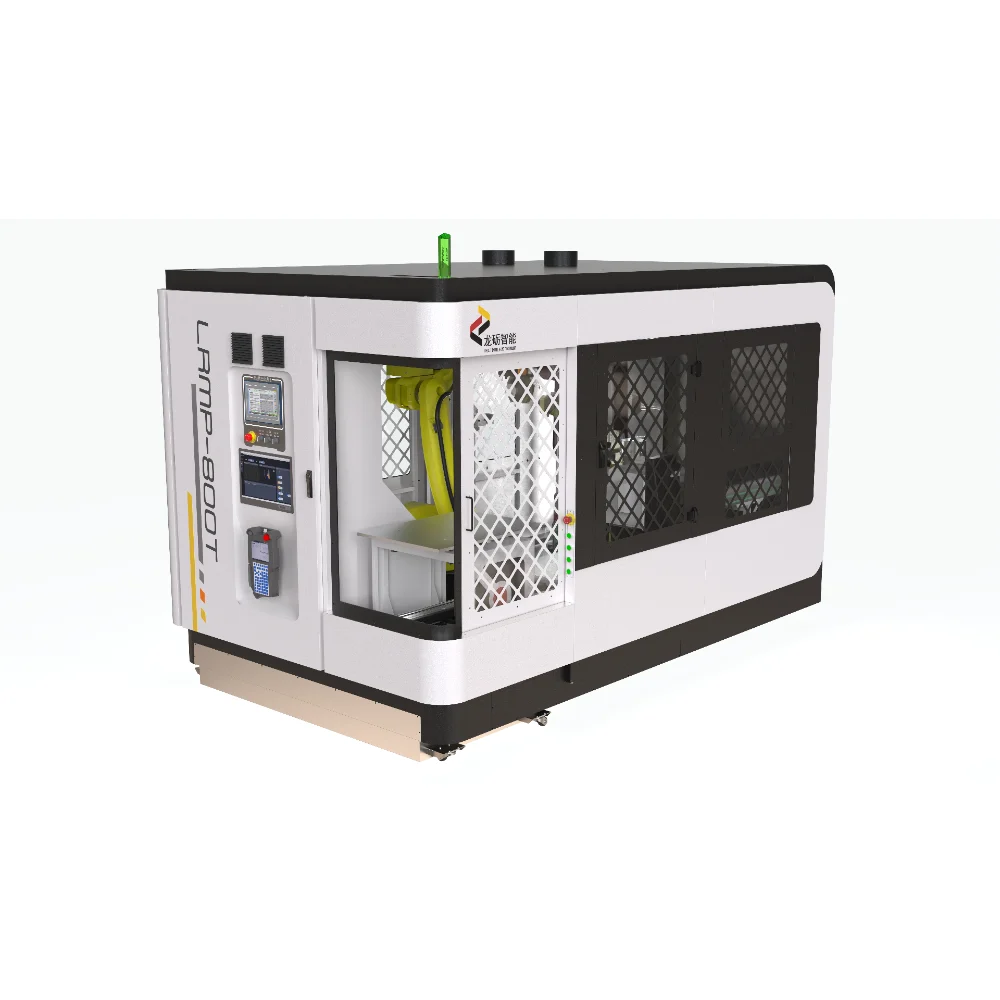
Core Technical Specs of Modern Deburring Machines
| Specification | Entry-Level | Mid-Range | Industrial Grade | Smart / Automatic |
| Motor Power | 0.75 – 1.5 kW | 2.2 – 4 kW | 5.5 – 11 kW | 4 – 15 kW |
| Working Width | Up to 300 mm | 300 – 600 mm | 600 – 1300 mm | 400 – 1300 mm |
| RPM Range | 1,000 – 2,500 | 1,500 – 3,500 | 2,000 – 5,000 | Variable / Auto |
| Grit Range | 80 – 120 | 60 – 240 | 40 – 400 | Programmable |
| Materials Supported | Mild Steel | Steel, Aluminum | All Metals | All + Composites |
| Control Type | Manual Dial | Digital Panel | PLC | AI / Smart PLC |
How Do Material Type and Grit Selection Change Your Results?
Choosing the incorrect grit can ruin belts. You break parts also. I have used a lot of computers in my time. I found the most common mistake was using the wrong grit on the metal. Coarse grit will rip aluminum. When stainless steel reaches too high of a temperature, it becomes hard. Even mild steel needs the right grit sequence to get a good finish. There is no one-size-fits-all formula for grit.
What you need to know is the hardness of the metal, the shape of the thing, and the finish. An auto deburring machine for smaller parts requires a slower feed rate and a finer grit. Do it right, save money and scrap.
Simple Grit-to-Metal Matching Guide for Shops
Choosing the correct grit is not a matter of chance. The abrasive and the metal are a perfect fit. Here’s how to make sure you’re accurate every time.
- Aluminum and soft alloys– For aluminum and mild metals use grit sizes 120-180. Finer silt clogs the conveyor quickly. It produces heat and traps the metal dust.
- Mild steel– Use 80 grit for removing heavy burrs on mild steel. Then go to a 120-180 grit for a smooth edge.
- Stainless steel– Ceramic or zirconia grit is best for 60-120 degree angles on stainless steel. Do not use silicon carbide. It wears out quickly on hard metals.
- Titanium and hard tool steel– Use ceramic belts, 40 to 80 grit, for titanium and hard tool steel. Take your time. Use coolant to keep heat from building up.
Grit and Abrasive Guide by Metal Type
| Metal | Coarse Pass Grit | Finish Pass Grit | Abrasive Type | Need Coolant |
| Mild Steel | 60 – 80 | 120 – 180 | Aluminum Oxide | Optional |
| Stainless Steel | 60 – 80 | 120 – 240 | Ceramic / Zirconia | Yes, recommended |
| Aluminum Alloy | 100 – 120 | 150 – 240 | Silicon Carbide | Yes |
| Titanium | 40 – 60 | 80 – 120 | Ceramic | Required |
Grit Belt vs Brush- Pros and Cons
Grit / Abrasive Belt
Pros:
- Fast removal of burrs on both flat and heavy parts.
- One pass over a wide grit range will smooth rough and fine surfaces.
- Consumables are cheaper per hour
Cons:
- Aluminum and other soft metals will plug belts.
- Has difficulty with complex three-dimensional shapes.
- Watch out, the heat comes up.
Brush-Based Deburring
Pros:
- Works great on inside edges and curved shapes
- Tender with delicate parts
- Auto deburring machines are ideal for small components.
Cons:
- Less efficient on heavy or dense burrs
- Brush wear is more expensive every cycle.
- Not tough enough for really tough metals
Why Does RPM Matter More Than Most Buyers Think?
Most consumers overlook RPM when looking for a premium auto deburring machine. They think about size and expense. But it’s revs-per-minute that really cut the burrs. If the RPM is too low the belt drags on the motor. It also gives off heat and leaves a jagged edge. You can burn the component at very high RPM. Bent metal is flexible. Even very hard metals may shatter.
The best RPM depends on such factors as feed speed, part size, metal hardness and type of grit. This can be true with automated deburring machines that have built-in sensors that can change their RPMs without human intervention. Hence, fewer problematic elements. It’s more than just mechanics when it comes to accurate RPM measurement. It helps you save money every every day.
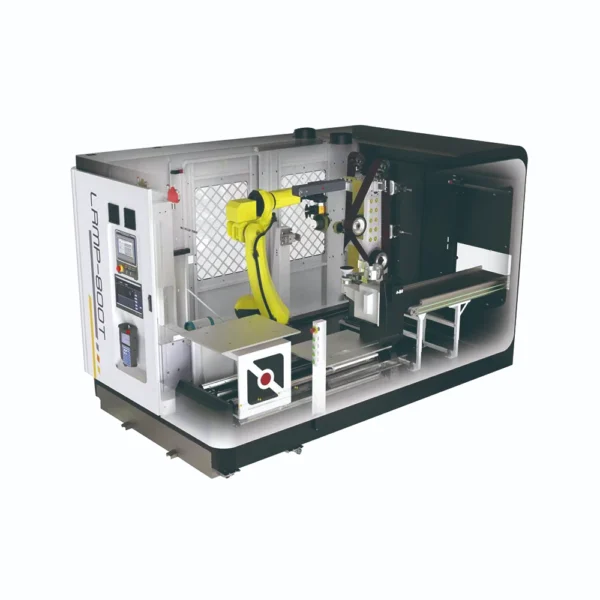
Which RPM Range Is Right for Your Industry?
Different kinds of metals are used by different industries. Therefore, each requires a different range of RPMs.
- Aerospace and Defense– Titanium or hardened steel are common in aerospace and military components. Keep the RPM down, 1,500 to 2,500. Mix with high pressure coolant. You need to be specific. Intelligent automated deburring machine settings enable run by run monitoring.
- Automotive– High volume, mixed metals. Keep the revs between 2,500 and 3,500. Adjustable tempo keeps the pace fast. It also prevents heat from damaging brake parts or housings.
- Sheet Metal Shops– Sheet metal fabrication companies often use aluminum and mild steel as materials. The best sheet metal deburring machine will run at between 2,000 and 4,000 RPM. Flat panels, use a coarse-to-fine pass.
- Electronics and Precision Parts– These are small and delicate parts that comprise precision parts and electronics. For a auto deburring machine used on small parts, 800 to 1,500 RPM is the best range. Fine grit – protects delicate details and exact dimensions.
Variable RPM vs Fixed RPM- What to Choose
Variable RPM Machines
- You can change the speed autonomously with sensors or a PLC.
- Suitable for establishment handling various kind of metals
- Has a higher upfront cost but yields less defective components.
- Now standard on the most advanced versions of intelligent automated deburring machines
Fixed RPM Machines
- Easy to use and maintain Works good for large amounts of one type of metal
- The deburring equipment is cheaper and easier to get started with.
- Peril: Accidental switching of metals poses the risk of incorrect speed.
Variable RPM vs Fixed RPM
| Factor | Variable RPM | Fixed RPM |
| Works on Mixed Metals | Yes | No |
| Setup Time | Very fast | Manual adjustment needed |
| Starting Cost | Higher | Lower |
| Best Use | Mixed jobs, job shops | One-material production lines |
How Do You Compare Machine Types Before You Buy?
Buying the wrong kind of machine is an expensive error. There are many different types of automated deburring machines. You have a choice of robotic cells, vibratory systems, brush rollers, disc finishers and belt grinders. They each serve a particular purpose. If you need to deburr in the field or on repairs, a portable unit is ideal. If you’ve got a busy sheet metal line, a wide-belt machine is the way to go.
The price of an intelligent Auto Deburring Machine is higher because of the sensors and smart controls. Buyers should consider square footage, daily volume, metal type and part size when buying. Then, locate the machine that matches those specifications. Here are some points and a table to think about when making your decision.
Key Things to Check Before You Buy Any Machine
- The working breadth must be proportional to the largest part of your body. Set your sights high.
- Ensure the equipment is compatible with different abrasives. This becomes more useful as your needs change.
- Check whether the intelligent automatic deburring machine is equipped with an interface and user manual in your language. We can save training time and mistakes with this.
- Check how fast the vendor can get you replacement brushes and belts.
- Make sure the deburring machine pricing is all inclusive from set up to training and guarantee. Hidden charges add up quickly.
FAQs
What is the best auto deburring machine for thin sheet metal under 3mm?
Use a wide-belt machine equipped with a brush finishing head and variable RPM. Choose one with a working width of 600 mm or more. If you want clean results start with 120 grit.
- For thin material the feed rate should be 3 to 5 m/min.
- Lowers RPMs to help prevent warping and heat marks.
- For stainless steel thinner than 2 mm, use a cooling system.
What makes a smart automatic deburring machine better than a basic one?
A simple machine can only execute one program. For example, a smart machine might sense changes in temperature, vibration or resistance and change itself in response.
- It removes unwanted metal from mixed metal runs due to incorrect settings.
- Accurate recording of ISO quality records.
- LongLi’s clever series is one of the greatest types of smart automatic deburring machines.
Can a portable deburring machine be used in normal production?
It is well suited to the typical low volume or repair jobs. A stationary machine gives more reliable results for a real life manufacturing line.
- Portable machines in the 0.5 to 1.5 kW range should be adequate for the occasional jobs.
- More than 50 components produced by a stationary machine per hour
- Think of portable as the second unit, not the main manufacturing device.
The sixth question is “What grit should I use when deburring small parts?
Most small precision parts do best with grits of 120-150 to start. If you want a smoother finish use 180-240. If the part width is less than 5 millimeters, you should never use a grit finer than 80.
- With coarse grit you end up removing too much material from small components.
- Low rpm and slow feed for accurate readings.
- The surface appearance can also be changed by wet or dry processing.
How to operate a smart automated deburring machine correctly?
First you want to get the RPM to metal chart. Look in the area where you store everything. Look at the list of alarm codes to prevent shutdowns.
- Find the right preset program for each metal in your shop.
- Never go into full production without running a test part first.
- “Do not put the handbook anywhere other than the machine.
Conclusion
Picking the best auto deburring machine is not as easy as picking the cheapest one. The trick is to get the right machine for your metal, your volume and what you want out of it. Whether you need a deburring machine for sheet metal, pipe, tiny components or a full top smart automatic deburring machine configuration, knowing your process is the first step in making the proper option.
When the time comes, make your purchase with LongLi. LongLi constructs equipment for real stores and real manufacturing demands. Beside the high-tech, automated models are portable, inexpensive deburring machines. Their company can help you to choose the best configuration for your metal and output.