
Why are so many metal fabricators still wasting precious time on surface prep when better equipment is available on the market? Having been in metal fabrication for twelve years, I can say the rotary belt sander has quickly become an indispensable piece of equipment.
This guide will help you make an informed buying decision in 2026 by explaining the functions of these devices, the people who need them the most, and the types that generate the best results.
What Is a Rotary Belt Sander
A rotary belt sander is a power tool that spins a continuous abrasive belt between two or more rollers. It clears away debris quickly, leaving a level, clean surface. It has many applications in metalwork, such as smoothing off burrs and rust before painting, blending welds and deburring. The belt moves quickly, and only in one direction. This one is more agressive than orbital or random-orbit tools.
The electric belt sander has motor power that maintains constant pressure and speed. This smart rotary powered belt sander has speed control, dust management and digital feedback. When you need to work with steel, aluminum or alloy surfaces, these machines are far more precise than hand grinding.
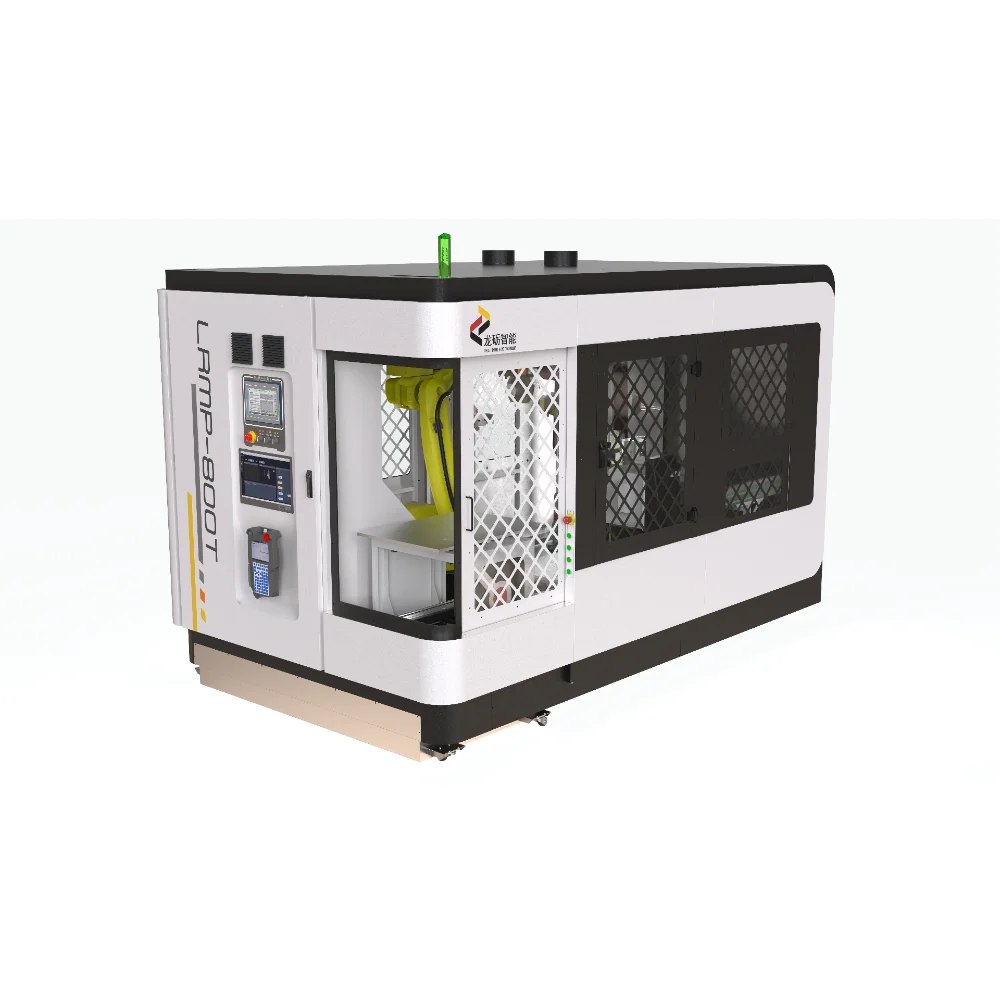
What Tasks Does a Rotary Belt Sander Perform on Metal?
A rotary belt sander is helpful for many kinds of surface finishing jobs in metal. It removes burrs from cut edges, blends weld seams, and peels mill scale from raw steel. Then you can coat the surfaces with paint, powder coating or galvanizing. The random motion of an orbital tool differs from the non-rotating motion of the belt.
This is the way to go for speed over long, flat distances. Belt sanders will remove metal faster than a rotary sander. Rotary sander vs belt sander comparison shows that rotary sander is more suitable for finer finishing. The belt kind is usually the one to go to in a fab shop for removing heavy stock.
How Fabrication Sectors Apply Belt Sanders
The rotary belt sander has many applications in the fabrication industry. Wide-bench models are used in structural steel shops to prepare I-beams and plates for welding. Hand held electric belt sanders are widely used in custom metalwork shops to provide the fine finishing touches to railings and furniture frames.
Hull plates are prepared in shipyards with huge industrial bench sanders. In the auto industry, fabricators weld roll cages and chassis using narrow belt models. Different applications require different motor sizes, grits and belt widths. Having the right equipment for the job is the key to getting clean results and avoiding expensive redos.
Pros and Cons of Using a Rotary Belt Sander on Metal
Pros:-
- It can remove debris up to five times faster than hand grinding on flat surfaces.
- The belt pressure provides a uniform and reproducible surface finish.
- Wide grit range covers everything from rough prep to exquisite finishing.
- Suitable for copper, steel, aluminum and most manufacturing alloys
Cons:-
- Belt set direction can lead to uncontrolled directional scratches.
- Not as well-suited as flap wheels for intricate or curved 3D profiles
- Hard metals (e.g. stainless steel) accelerate belt wear.
- Produces a lot of heat at high speeds that can damage thin sheet metal.
Who Should Use a Rotary Belt Sander in Their Workshop?
A belt sander is not just for large manufacturing plants. The advantages can be realized by everyone from one-man fabrication shops to large manufacturing facilities. Welders do this all the time – blending seams. This allows metalworkers to create a brushed finish on decorative panels. It is used by maintenance crews to prepare corroded structural steel for repair coatings.
Size is often a point of contention in the rotary vs belt sander debates. The belt version is the more powerful tool for metal surfaces over 30 cm long and flat or nearly so. The question isn’t whether or not to use one, but rather what size and power level works best for your volume.
Issues a Rotary Belt Sander Solves in Everyday Metal Fabrication
Grinding is hard work, takes a long time, and is prone to mistakes when done by hand. Uneven surfaces that fail quality inspections are also a byproduct. If you have all three problems, a rotary belt-sander is the way. Scale and weld spatter are easily removed. It makes a perfectly level surface always. It decreases operator fatigue on long shifts.
Knowing the difference between a rotary and a belt sander for wood floors can help prevent surface damage in shops that work with both metal and wood. Woodworking with a rotary tool is more sensitive. The belt kind does better than the others on metal. This solves the biggest problem of getting surfaces to spec in a short period of time and with very little effort.
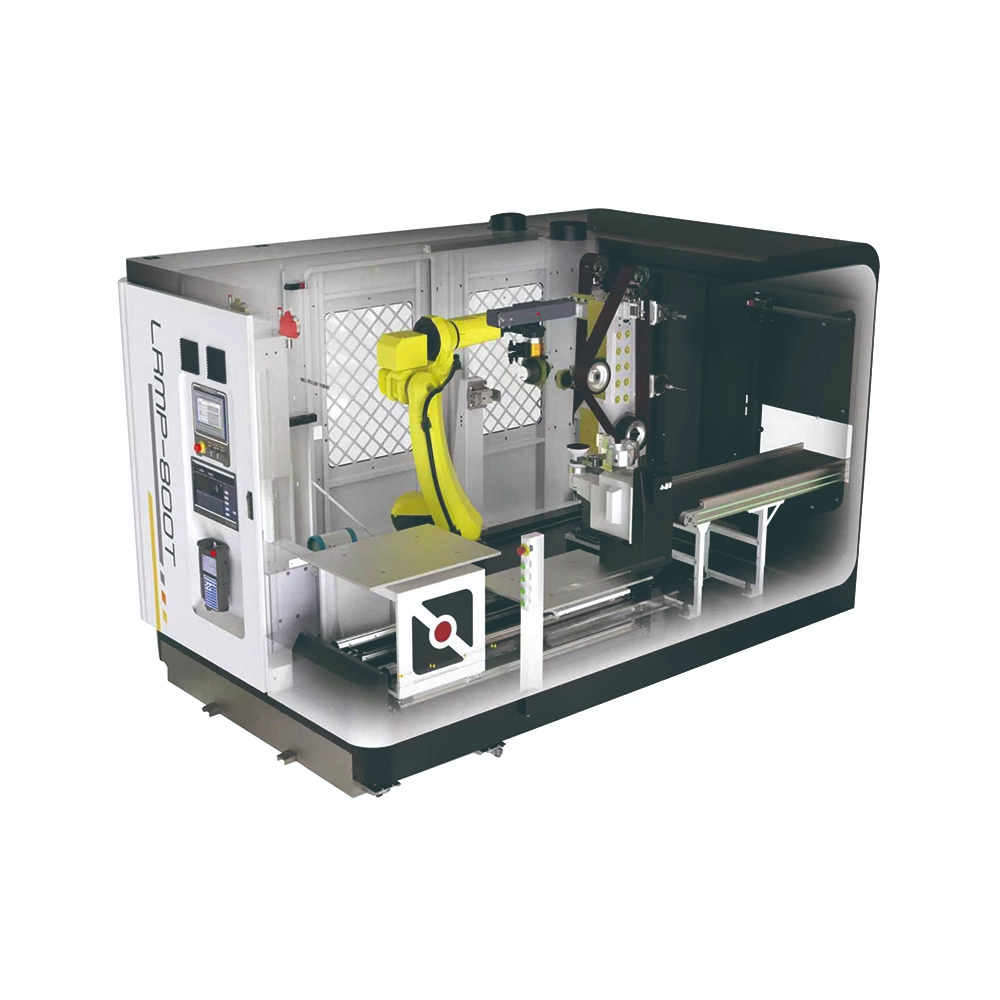
Which Professionals Benefit Most From This Tool in 2026?
- Welders and fabricators: Deburring and weld blending are routine for steel structural welders and fabricators.
- Auto restoration shops: Bodywork and coating preparation for chassis and panels of car repair companies
- Shipbuilders: Large-scale preparation of plates for marine-grade coating systems
- Maintenance engineers: Industrial machinery maintenance engineers are responsible for rust removal and surface repairs.
- Custom metalwork studios: crafting ornamental steel into brushed and satin finishes
What Types of Rotary Belt Sanders Are Available?
There are many types of rotary belt-sanders on the market to fit every need and budget. Portable versions are perfect for use on the go. If you need stable work on stationary workpieces in the workplace, consider a benchtop model. Combination machines also come with a disc sander as well as the belt for even more versatility. The smart rotary powered belt sander is a new addition to the market with built-in dust collecting and variable speed control.
When looking at rotary sander vs belt sander alternatives for metalwork, the belt type is typically the best option for flat-surface prep. If you are working with wood or fine detail work, a rotary sander might be better. The belt is the primary tool in metal working.
Key Specifications That Separate Belt Sanders
The low-end electric rotary belt sanders are well suited for light deburring because they have fixed speeds from 200 to 400 m/min. Mid-range versions have been fitted with variable speed and larger belts for use in manufacturing. Professional machines come with powerful motors rated at 1,500W or more horsepower, automatic belt changes, and full dust extraction ports.
The top of the line-up is rounded off by a smart rotary-powered belt sander with an auto-stop safety feature and a digital speed display. The number of days that a machine can do heavy output is determined by a number of factors, including belt width, tracking adjustment and platen quality. Before purchasing for commercial use, check the motor’s duty cycle.
Rotary Belt Sander Model Tier: Features vs. Application
| Model Tier | Best Application | Key Feature | Price Range (USD) |
| Entry-Level Handheld | Light deburring, DIY metal | Compact, lightweight | $60 – $200 |
| Mid-Range Benchtop | Workshop weld blending | Variable speed, stable platen | $300 – $900 |
| Industrial Belt Sander | High-volume plate prep | Heavy motor, wide belt | $1,000 – $5,000 |
| Smart Rotary Powered Belt Sander | Precision and production | Digital control, dust system | $2,000 – $15,000 |
Case Examples From Metal Fabrication Shops Globally
- Steel Fabricator in Poland: Polish Steel Fabricator Uses Industrial Belt Sanders for Weld Prep Instead of Angle Grinders. “All joints cut labor time by 40%.”
- Auto Chassis Builder in USA: An American auto chassis builder who used an electric belt sander to cut the time required to blend each roll cage from three hours to less than forty-five minutes.
- Stainless Kitchen Equipment Maker in Malaysia: A Malaysian producer of stainless steel kitchen appliances. They consistently brushed 200 products a day with a smart belt sander powered by a rotary motor, and didn’t have to re-work anything by hand.
- Shipyard Maintenance Team in South Korea: South Korean Shipyard Maintenance Team: Surface rust removal from hull plates with wire wheel tools was three times slower than with heavy duty benchtop belt sanders.
How Quickly Does a Belt Sander Pay Back Its Cost?
Spend $ 600 on a mid-priced rotary belt sander and save two hours of grinding time per day . That’s a savings of $40 per day at a rate of $20/hour. You will see your money’s worth in the equipment within fifteen business days. The $3,000 industrial models can save more than 6 hours a day in high volume businesses and pay for themselves in less than two months.
Other advantages include less wear on the belt, a lower chance of injury and fewer surface defects. Typically, fabrication companies achieve a full return on investment within 30–90 days of first use.
Frequently Asked Questions
- When is a rotary belt sander most useful in metalworking?
A belt sander is excellent for blending welds, deburring cut edges, removing mill scale and preparing flat metal surfaces for coating. It works on steel and aluminum alloys. It is faster and more consistent than hand grinding for most flat surface work in the fabrication shop.
- What is the difference between a rotary sander and a belt sander?
A belt sander is a motor that spins an abrasive belt in one direction . This allows it to remove material quickly and with force . A rotary sander uses a spinning disc for a more accurate and controlled finish. The belt kind is more efficient in metal manufacturing and heavy preparation. For detail work and for finishing wood, you have more control with handheld rotary tools.
- Can I sand stainless steel properly with an electric rotary belt-sander?
Sure, but only with the right belt. For stainless steel, use zirconia alumina or ceramic abrasive belts. These are resistant to glazing and hold their edge. When the heat build-up is excessive the steel can become discolored. Keep the belt speeds moderate. The most accurate control for working with stainless steel is a variable-speed electric belt sander.
- What is safer to use when working with thin sheet metal, a belt sander or a rotary sander?
Usually a rotary sander is better with thin sheet metal, as its cutting action is less forceful and more controlled. Thin sheets can be ripped or distorted by a belt sander if the pressure and speed are not controlled properly. For metal less than 2 mm, use a low-speed fine-grit belt or rotary tool.
- What grit belt should I use when I am blending down metal welds?
Begin with 60 or 80 grit to knock off the weld bead and heavy scale. Change to 120 grit to level it out. Use 180 or 240 grit for a smooth satin finish. Always observe the order of the grits. Skip the grits and you’ll be left with deep scratches that even the finest belts can’t remove.
Conclusion
A rotary belt sander can be used for more than just surface preparation. Productivity multiplier can be useful to any professional metal manufacturing enterprise. With the right equipment you can reduce the time spent by hand while improving the quality of your weld blends, rust removal and steel preparation for coating.
When you are ready to purchase, LongLi (longli.com) is a good source for surface finishing and industrial sanding equipment. LongLi is equipped with a complete series of electric belt sanders and smart-grade equipment to serve the fabrication needs. They support their products with strong technical assistance, affordable factory price and worldwide delivery.