
Ever wondered why cast-metal parts always look rough and dull, even after a lot of polishing? I’ve been in the surface finishing and metal polishing machine industry for over 10 years and have seen how this problem drives up costs and slows down production lines in many industries.
In this article I will show you how to get rid of casting flaws such as porosity, drag marks and surface lay with the proper industrial polisher machine. We will talk about the importance of casting surface problems and what they really are.
What Is a Casting for a Polishing Machine?
Surface, drag and porosity are common casting defects in both foundry and die casting processes. This phenomenon, called porosity, causes microscopic holes or voids in the interior or surface of metal due to trapped gases or shrinkage during cooling. The molten metal is drawn over a mould, and leaves rough grooves, known as drag marks. Surface lay is the direction of the finishing marks left on a part after it has been machined or ground.
All three impact a part’s appearance, sealing and performance. Also, a good metal polishing equipment can actually get rid of flaws besides shining up components. In the process, it prepares surfaces for plating, coating or assembling. Deep drag marks are removed with heavy-duty wheel polishing equipment and fine finishing is done with a vibratory polishing machine for large castings.
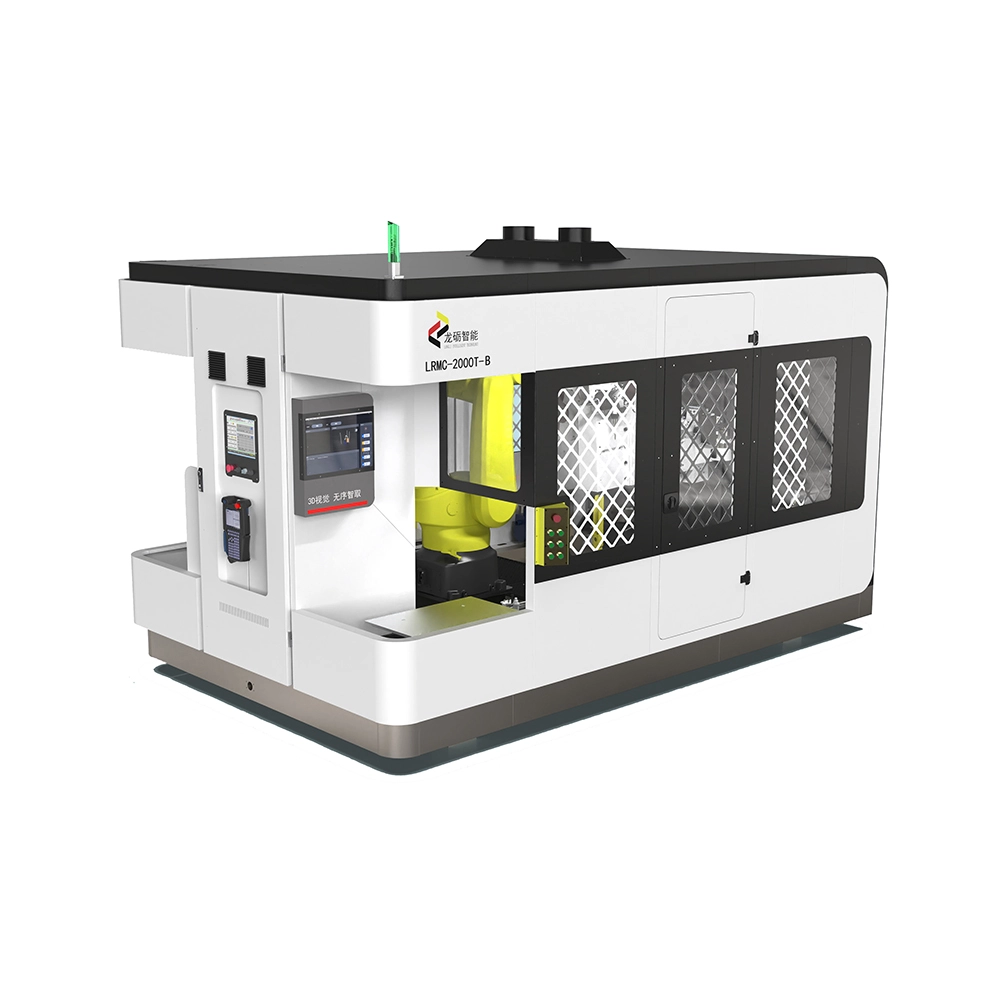
Key Casting Defects and the Right Machine Type
| Defect Type | Cause | Best Machine | Industry Use |
| Porosity | Gas trapped in casting | Vibratory polishing-machine | Automotive, Aerospace |
| Drag Marks | Metal dragged in mold | Wheel polisher machine | Heavy Equipment |
| Surface Lay | Direction of finishing cuts | Metal polish machines | Medical, Electronics |
| Flash / Burrs | Excess metal at parting line | Semi wheel polisher machine | General Manufacturing |
| Cold Shuts | Two streams of metal not fusing | Industrial polishing-machine | Foundry, Casting |
Which Polishing Machine Works Best for Porosity in Cast Parts?
Porosity is one of the hardest faults to fix because the pores lie beneath the surface. Traditional buffers tend to ignore such issues, or to make them worse. The most suitable instrument for the treatment of porosity is a vibratory polish-machine that can introduce abrasive media into the smallest crevices. It spreads its effects gradually but steadily over the whole area.
The best tool for large cast wheels or truck parts is a regulated pressure wheel polisher machine, such as a heavy-duty or semi-truck wheel polisher. You need uniform contact across the surface to fill micro-pores without gouging. In addition to the type of machine, you must also select the proper abrasive media and speed setting.
Best Machines for Porosity- Side-by-Side Comparison
| Machine Type | Porosity Control | Speed | Material Suitability |
| Vibratory polisher machine | Excellent | Slow to Medium | All cast metals |
| Wheel polisher machine | Good | Fast | Aluminum, Steel |
| Semi wheel polisher machine | Moderate | Medium | Zinc, Magnesium alloys |
| Industrial polishing-machine | Very Good | Variable | All metals, large parts |
Top Tips for Using a Vibratory Polishing Machine on Porous Castings
- For the first pass use fine ceramic media to seal the micro-pores before polishing.
- Keep run cycles to 60-90 minutes. Remember that overrunning can re-open surface voids.
- Vibratory machines work best with bowl fill levels of 70-80%.
- In the final cycle, use a burnishing compound for a shiny, sealed finish.
- When running long, it is important to monitor the temperature of the part carefully, as heat can cause thin-wall castings to become more porous.
Common Porosity Fixing Scenarios
- Scenario A – Aluminum Die Cast Parts: Put plastic medium and mild compound into a vibratory polish machine. Each cycle lasted 45 minutes. This fills surface porosity with minimal base metal loss.
- Scenario B- Steel Sand Castings: Drag marks should be taken care of using a wheel polish machine at medium speed. Then, for the last porosity work, go to the vibratory.
How Do You Remove Drag Marks and Surface Lay From Cast Metal?
Surface lay, drag marks and porosity are a different story. Drag marks are grooves that can be seen on metal and can be removed with control. The surface lay need only be uniform in one direction to counter the pattern. For floor buffer machine polishing, long drag lines on flat surfaces are the best.
For curved or spherical components, the greatest degree of control is possible with wheel or semi wheel polishing machines. If you want to make it look better, then polish the surface in a cross-hatch or circular pattern, otherwise the directional lines will show up even more.
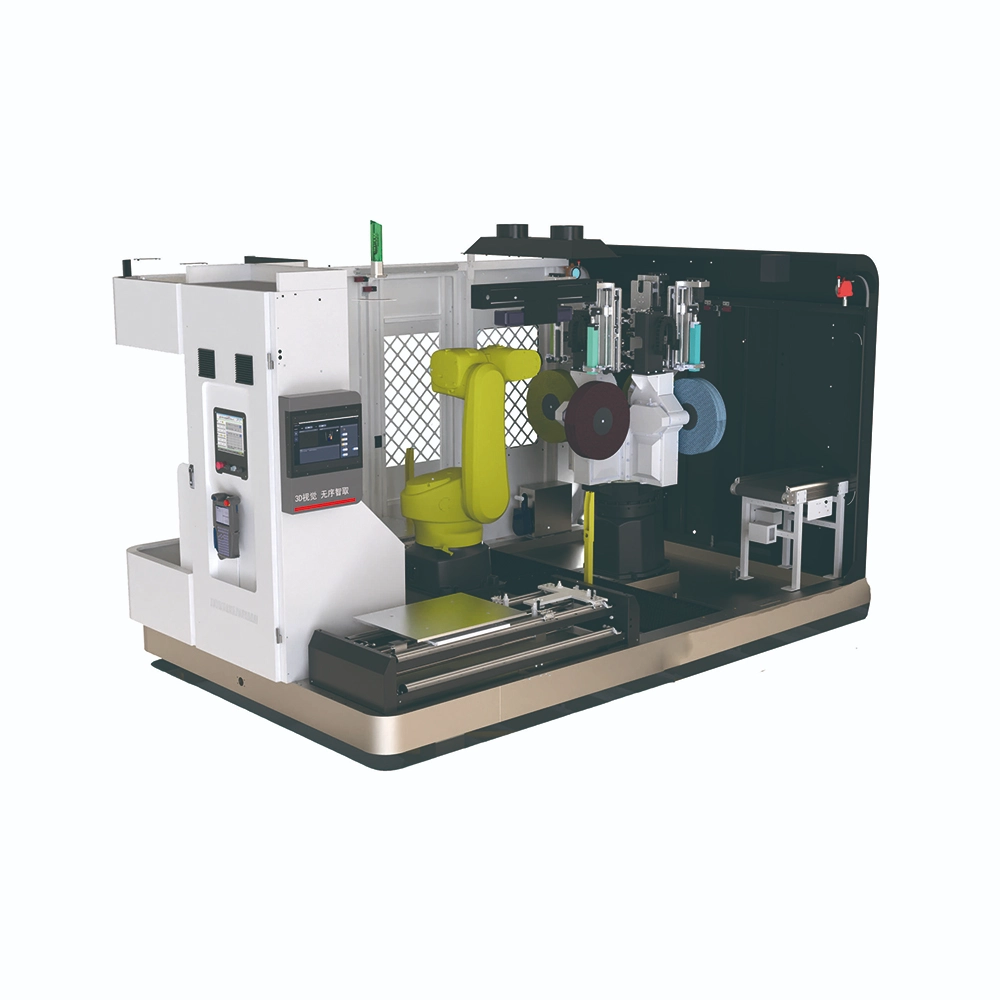
Drag Mark and Surface Lay Removal- Machine Comparison
| Machine | Drag Mark Removal | Surface Lay Control | Best For | Limitation |
| Floor buffer polisher machine | Excellent | Good | Flat cast panels | Not for curves |
| Wheel polishing-machine | Very Good | Excellent | Round/tube castings | Setup time |
| Semi wheel polish machine | Good | Good | Mid-size parts | Less power |
| Industrial polish machine | Excellent | Excellent | Any shape, large volumes | Higher cost |
Advantages and Disadvantages by Defect Type
Wheel Polishing Machine
- Advantage: Quick removal of material from deep drag marks is advantageous.
- Advantage: The benefit is that it works on both steel and aluminium castings.
- Disadvantage: Too severe for thin wall components on surface lay.
- Disadvantage: excessive pressure may raise porosity.
Floor Buffer Polisher Machine
- Advantage: Uniform coverage on large flat panels.
- Disadvantage: One advantage is the ease of controlling directions of surface lay work.
- Disadvantage: Not suitable for complex or curved cast shapes.
What Are Real-World Examples of Polishing Machines Fixing Casting Defects?
In the industrial sector, metal polishing equipment is used to repair actual casting flaws. Die-cast alloy wheels are polished using aluminium wheel polishing equipment to remove drag marks before chrome plating. Glass producers use glass polisher machines and glass polishing machines to control the surface lay on cast optical components.
Sample laboratories are used for the metallurgical testing of small test castings prepared using sample polish equipment. Each situation requires a machine that is tailored to the particular defect, material, and desired result.
Industry Case Studies- Machines vs Casting Defects
| Industry | Defect | Machine Used | Result |
| Automotive | Drag marks on alloy wheels | Aluminum wheel polishing machine | Surface ready for chrome plating in 2 passes |
| Aerospace | Porosity in titanium castings | Vibratory polishing-machine | Defect-free surface meeting AS9100 standards |
| Stone / Construction | Surface lay on stone cast panels | Stone polishing machine | Mirror finish achieved in single cycle |
| Lab / R&D | Micro-porosity in test samples | Sample polish machine | Clear metallographic surface for analysis |
Additional Use Cases by Sector
- Transport & Logistics: Equipment for polishing semi-truck wheels returns the original shine to cast-iron or steel wheels that have seen a lot of hard use on the road.
- Glass & Optics: In the glass and optics industries, glass polishing equipment is used to avoid surface lay in optical-grade cast glass components.
- Stone & Tile: After casting, ornamental stone panels are rough and must be smoothed. Stone polish machines do this. Supplied by Stone & Tile.
- Metal Fabrication: Metal fabrication involves important machine work that polishes metal structural castings prior to welding or painting.
How Do You Choose the Right Polishing Machine for Your Casting Needs?
The selection of the most appropriate equipment depends on the type of defect, the size of the component, the production volume and the material. Automated industrial polishing equipment will have the best return on investment for high-volume automobile casting lines. For small batch or laboratory work, a more economical option is a tabletop vibratory machine or a sample polishing machine.
Never use a flat surface buffer on a curved or otherwise irregular shape or you will damage the intricate geometry of your casting. Purchase a wheel polisher machine or orbital tool. LongLi is the answer if you have any kind of casting problem.
Key Factors to Check Before You Buy
- Speed range higher rotations per minute (RPM) remove more material, but also increase porosity in soft metals.
- In the last polishing, pressure control is important to avoid drag marks.
- The amplitude of vibratory polishing-machines is adjustable for different sizes of media.
- Alternatives in automation: Industrial polishing equipment using computer numerical control (CNC) saves 40% of labour costs in high volume industries.
Frequently Asked Questions
What is the best polishing equipment to use to check for casting porosity?
The best tool for removing porosity is the vibratory polish machine. Using an abrasive medium, it can make it to micro-voids while keeping a good volume of base metal. Industrial machines with controlled media flow get even better results with larger items.
Ceramic or plastic, when working with a finely porous material.
Use many short cycles, rather than one long cycle.
A final burnishing is necessary to seal the surface.
Is it possible to remove drag marks with a wheel polisher?
Yes. A wheel polish machine is perfect for removing drag marks when working with round or cylindrical cast pieces. It presses evenly all around the component. A floor buffer polisher works better on level surfaces
Start with a medium grit abrasive belt to remove deep drag marks.
Use a polishing compound or fine-grit for the final stroke.
Make sure the component is not too hot, friction heat can warp delicate castings.
How to deal with surface lay when using a metal polishing-machine?
A metal polish machine works on the surface lay by finishing in a cross hatch or random orbital pattern. This eliminates the directional lines which are left after machining or grinding. Surface lay problems tend to become worse with only one direction of polish.
Randomly set the polishing head to oscillate in a planetary or orbital pattern.
Use a fine abrasive material, 320 to 600 grit.
Before coating, inspect for lay removal under raking light.
Is a vibratory polishing-machine the right choice for aluminium castings?
Yeah. Vibratory machines have a gentle medium that will not gouge the delicate aluminium and so they work well on aluminium castings . Use mild compound on plastic medium for best results. It is also a popular choice for machines that polish the aluminium wheels of cars that are being restored.
Best avoided, as steel can embed particles into aluminium.
On ceramic or plastic material, use a mild cutting compound.
Operate at medium amplitude for optimum surface finish.
What is the role of a sample polish machine in casting inspection?
The lab analysis requires small metal samples that are prepared with a sample polish machine. Metallurgists can look at the porosity and grain structure under a microscope because it produces a smooth, mirror-like surface. It is an indispensable instrument for quality control of casting.
It is used in metallography laboratories for cross section analysis.
Produces scratch free surfaces with a polish range of 1 micron.
Works on copper, titanium, steel and aluminium.
Conclusion
With the right polish machine, even the worst casting can be turned into a high quality, production-ready component. There are machines to address issues such as surface lay, porosity and drag markings, for example vibratory polish machines for micro-pores, wheel polish machines for drag marks and industrial polishing machines for large-scale manufacturing.
LongLi is the best choice when considering other options. Their product line addresses every casting surface problem, from the lightweight sample polisher for the lab, to the heavy-duty semi truck wheel polisher for the transportation business, to the accurate aluminium wheel polisher for the automobile finishing market. Find the metal polisher machine that best suits your needs.