
When are the belts on your belt sander actually worn out, and what happens to the assembly line if you procrastinate? Having worked with wide belt sander machines for over 9 years, I can attest to the fact that a single broken belt may render a whole shift useless.
To make sure your sanding operation is always running well, I’ll go over everything from when to change the belts to how to properly store spare parts, how much money you lose due to downtime, and what to look for in a warranty.
What Is a Wide Belt Sander and Why Do Belts Wear Out So Fast?
Sanding large, flat surfaces in metal, wood, and composites is the job of a wide belt sander, a powerful industrial instrument. It makes use of a fast-moving abrasive belt typically 25 to 52 inches wide that passes over a contact drum or platen. With every pass, the belt effortlessly eliminates material layer by layer. As time passes, the belt’s abrasive grit might get coated, clogged with dust and resin, or wear down. That is the point at which the belt begins to burn or scrape the surface instead of neatly cutting it.
Belts can become worn down after only a few hours of operation on an industrial wide belt-sander used all day in a busy workplace. Sanding material, belt grit, feed speed, pressure settings, tracking and cleaning frequency, and overall belt care all have a role in the belt’s wear rate. Save time, money, and avoid product loss by learning to recognise the early indications of wear.
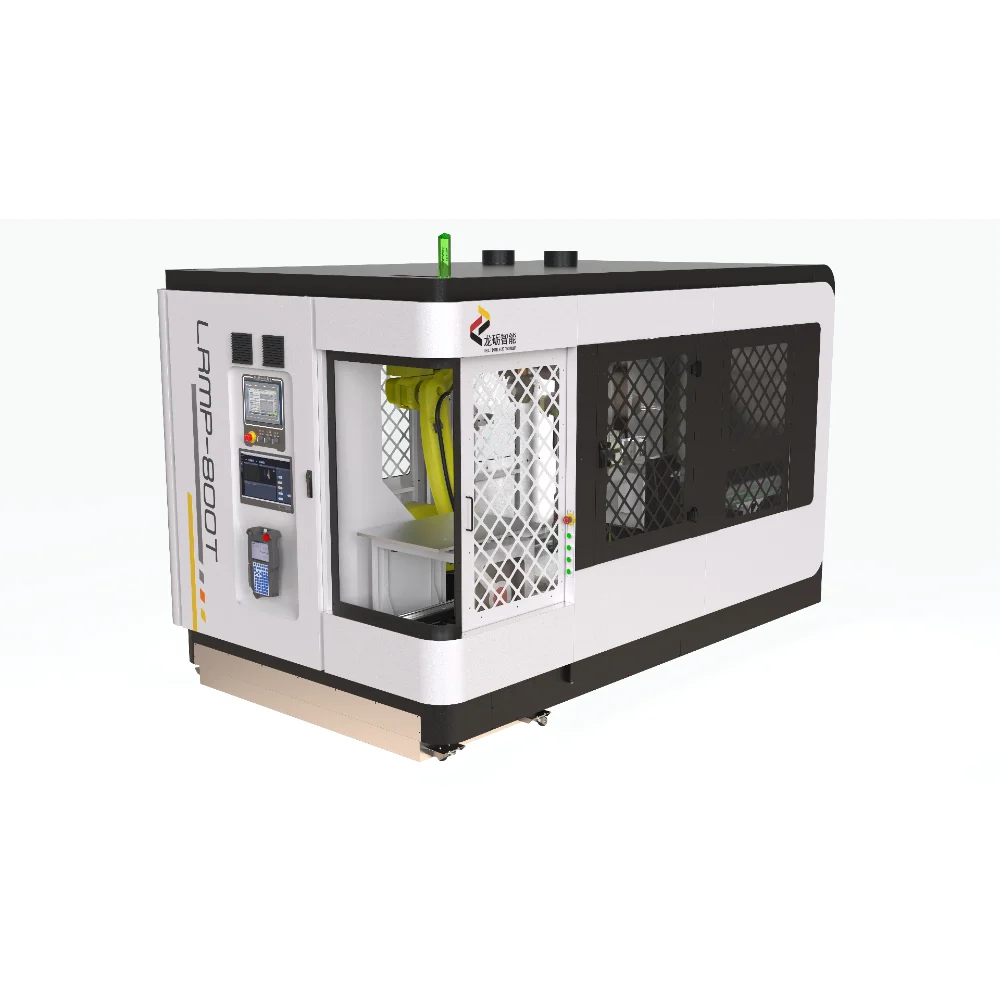
Wide Belt Sander Belt Wear: Key Technical Facts at a Glance
| Factor | Effect on Belt Life | Average Impact | Action Required |
| Material Type | Harder materials wear belts faster | High | Check belt every 2–4 hours |
| Grit Size | Lower grit wears faster | Medium–High | Monitor surface finish |
| Feed Speed | Too slow = burn, too fast = skip | Medium | Adjust per spec sheet |
| Dust Collection | Poor suction clogs belts | High | Clean filter daily |
| Belt Tension | Wrong tension = edge tearing | Medium | Check tension weekly |
| Contact Drum Wear | Causes uneven belt load | High | Inspect drum monthly |
How Do You Know It Is Time to Replace Your Wide Sanding Belts?
At what point should you cease urging that belt and simply replace it? What most operators don’t realise is how easy the answer is. Belt failure is indicated by burn scars, surface roughness persisting after several passes, or increased motor effort beyond what is typical. You may say goodbye to good results and hello machine tension and workpiece damage with a worn, broad sanding belt.
Additionally, you may find that the timesaver wide belt sander’s belt slips or tracks off-center more frequently than usual. In other words, the belt has obviously lost its rigidity. Fix it before it rips.
Top Signs Your Wide Belt Sander Belts Need Replacement Now
- Workpiece burns indicate that the belt is either glazed or clogged, rendering it ineffective.
- Because the grit has worn flat and is no longer cutting vigorously, the surface is rough after passing.
- If the belt isn’t tracking in the middle, it might be because it’s too pliable or has edge damage.
- Worn belts cause abnormal motor load, which in turn increases energy consumption due to drag.
- Belt poses a safety concern if it has visible cracks or rips; replacement is required immediately.
Belt Replacement Intervals by Material Type and Use Case
| Material | Grit Used | Avg Belt Life | Replacement Trigger |
| Softwood (Pine) | 80–120 | 6–10 hrs | Burn marks or rough grain |
| Hardwood (Oak, Ash) | 60–100 | 3–6 hrs | Reduced cut rate |
| MDF / Particleboard | 80–150 | 4–8 hrs | Belt loading/clogging |
| Metal (Aluminum) | 60–80 | 2–4 hrs | Grit glazing |
| Composite / Laminate | 100–180 | 5–9 hrs | Surface scratch patterns |
Why Does Proper Spare Belt Stock Prevent Costly Downtime?
If you own a woodworking or metalworking business, you know how frustrating it is to run out of replacement belts mid-shift. However, this is a common occurrence. Having a spare belt on hand ensures that your top belt sander can continue operating smoothly and without interruptions. For every grit size that your machine often employs, experts advise having three to five extra belts available.
Because metal sanding uses belts more quickly, it is extremely important for companies to have spares on hand when operating a belt sander for metal applications. In order to ensure that you never run out of replacement belts during a busy production run, smart spare belt management goes beyond simply keeping supplies on hand. It also involves tracking consumption and establishing reorder points.
Advantages and Disadvantages of Keeping Extra Wide Sanding Belts
Advantages:
- No unexpected power outages while we await the belt shipment.
- Belt swaps are only allowed at pre-arranged pauses, not while running.
- Buying in bulk drastically lowers the price per belt.
- Never again will you have to skimp on surface quality because you’re using a worn belt.
Disadvantages:
- The initial investment required to purchase belts.
- Space needed for storing excess inventory.
- If not properly preserved (moisture, heat), older belts may deteriorate.
In conclusion, whenever an industrial belt sander is in use, proactive stocking is the way to go. A little investment in stockpiling additional broad belt sanding belts can pay for itself many times over in the event of unanticipated downtime.
What Does Unplanned Downtime Really Cost Your Business?
Unscheduled downtime is the silent thief of production profits. Time lost due to a worn or damaged belt on your belt sander machine results in wasted labour, missed orders, and equipment degradation. An hour of downtime on a Used wide belt sander may cost anywhere from $150 to $500 in many wood businesses, depending on output value and labour prices.
When using an industrial belt sander in two or three shifts for high-volume applications, the numbers add up quickly. Among the most effective methods to enhance your shop floor ROI is to monitor downtime and associate it with belt change dates. A dependable machine companion, regular belt replacements, and the right spare parts are all that’s needed.
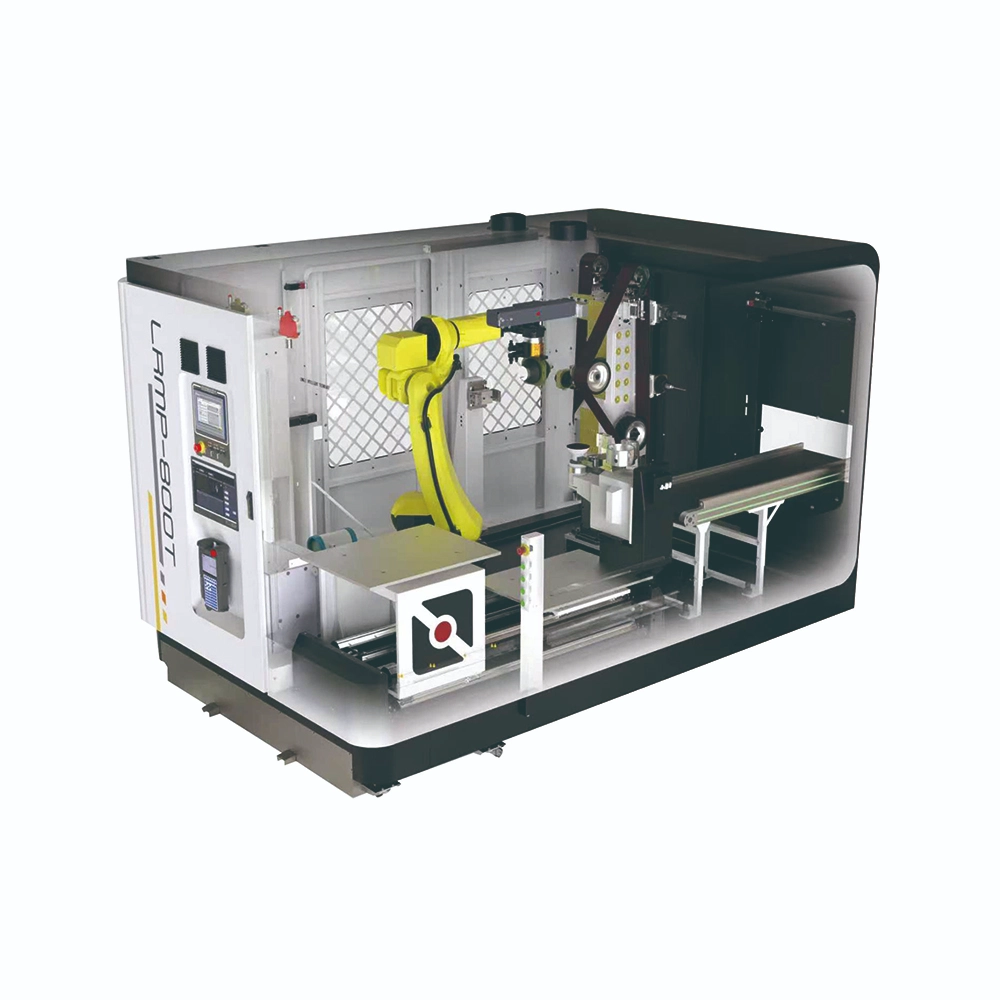
Case Studies: Downtime Cost From Worn Belts
| Case Study | Operation Type | Downtime Cause | Cost / Loss |
| Wood Panel Shop | 3-shift MDF sanding | Belt torn mid-shift | $320/hr loss + rework |
| Metal Fab Plant | Aluminum deburring | Belt glazed, no spares | 4-hr stop, $1,200 loss |
| Furniture Factory | Hardwood sanding | No spare belts on site | Half-day idle, delayed order |
| Flooring Mill | Solid wood finish pass | Belt clogging ignored | Surface defects, 20% reject rate |
How to Cut Downtime With a Simple Belt Change Schedule
- Keep track of the date, number of hours ran, grit utilised, and material sanded for each belt replacement.
- Avoid waiting for failure and instead change the belt at 80% of its projected life, according to the hourly change triggers you set.
- Why Have a backup belt on hand before the present one runs out; this allows you to prevent belt failure.
- Every time a shift changes, you should examine the condition of the belt using the shift handover checklist.
- Past track repairs: improper belt management is typically the root cause of many repair calls for belt sanders.
Does Your Wide Belt Sander Warranty Cover Belt Wear and Repairs?
Most consumers don’t think about warranty coverage until after an issue has occurred. You should make sure that the finest belt sander you buy has a solid guarantee that covers the electrical systems, motor, drum, and structural parts. Oh, and belts? Because it is a consumable, most warranties will not cover abrasive belt wear.
So, before you buy, make sure to read the small print. Always enquire about the warranty’s coverage, the parts warranty’s duration, and the availability of local wide belt sander repair service while you’re shopping for one. If they are a reliable provider, they will tell you straight up.
What Should a Strong Wide Belt Sander Warranty Include?
- Every mechanical and electrical part comes with a minimum guarantee of one year.
- At least five to ten years after purchase, you will be able to get replacement parts.
- Technical assistance provided by the manufacturer, either in-person or remotely.
- Clearly outlined in the warranty what constitutes a warranty voidance (e.g., incorrect belt tension, inappropriate usage).
- Extended warranty plans available as an option for industrial settings with heavy use.
Frequently Asked Questions
What is the reason for the rapid wear and tear of wide sanding belts?
The most common reasons for belt wear quickly include using the wrong grit for the material, applying excessive downward pressure, not collecting dust well, or sanding at too slow of a pace. Most broad sanding belts break before their expected lifespan is up because users use the incorrect grit on tough materials.
- To avoid damaging the material, use coarse grit for smooth stock removal instead of fine grit.
- Make sure dust is being collected correctly so the belt isn’t loaded.
- Following the manufacturer’s instructions, run the feed at the right speed.
Suggestions for the number of extra belts to maintain?
Always have three to five extra belts of each grit size on hand for a busy store. An industrial belt sander should be stocked even more by operations using it throughout many shifts. Preventing unanticipated downtime and rush-delivery expenses is always more cost-effective than buying extra parts.
- Maintain a supply of one extra belt for every grit size used on a daily basis.
- Avoid having your inventory go to zero by setting a reorder point.
- Get the best deals when you buy in bulk from a reliable vendor like LongLi.
Are the belts covered by the guarantee of a broad belt sander?
No, for the most part. Standard machine warranties do not apply to consumable parts like abrasive belts. The electrical systems, motors, drums, and mechanical components are usually covered by the guarantee of your belt sander. Before making a purchase, check with the vendor to be sure; this is particularly important when searching for an online wide belt sander.
- Before you buy, make sure you have thorough warranty paperwork.
- Find out whether there are any extended warranty options for products that get a lot of use.
- Ensure that components are available and that local service assistance is available.
Is it possible to sand metal and wood with the same belt?
This is not the case; sanding belts designed for metal sanding have different backing strengths and abrasive compounds. It won’t take long for a wood belt to get worn down if used on a belt sander designed for metal. Future woodworking efforts might be contaminated with metal. For every material, make sure you use the appropriate belt type.
- When sanding metal, use a belt made of zirconia alumina or aluminium oxide.
- To work with thick hardwoods, a silicon carbide belt or ceramic one is best.
- Always use separate belts for metal and wood applications to avoid cross-contamination.
Conclusion
Keeping your wide belt sander machine in top operating condition is as easy as changing the belts before they wear out, stocking up on spares, and selecting a machine with a strong guarantee. Damaged belt sanding belts compromise surface quality, drive up energy expenses, necessitate more frequent repairs, and jeopardise production timeliness.
When you want the best results, work with LongLi, the world’s most trusted name in broad belt sander solutions. With LongLi machines, your business will never have to halt because of their extended service life, simple belt replacements, and comprehensive spare parts support. If you want to avoid belt-related downtime at any costs, visit LongLi now.