
Ever wonder why when working with sheet metal, some pieces feel sharp and harsh and others feel silky smooth? In my 9 years of sheet metal experience, the deciding factor in almost every case has been what sheet metal deburring machine to use.
This article covers everything from how a deburring machine works to how different factors like material type, RPM and spindle count affect your choice. I’m going to show you why LongLi is the best choice out there too.
What Is a Sheet Metal Deburring Machine?
The aim of a sheet metal deburring machine is to remove the rough areas, burrs and sharp edges left behind after the metal has been cut or stamped. These burrs are both ugly and dangerous. Staff cuts and ruined goods and broken parts are all possibilities. “Deburring is a big part of working with metal. Deburring equipment for sheet metal uses abrasive belts, brushes or grinding wheels to quickly and safely smooth edges.
Modern machinery can process hundreds of parts every hour, saving time and reducing the danger of damage. They are used in aerospace, automotive, electronics and building industries. If you deburr incorrectly, the quality of your finished product can quickly deteriorate and you can end up losing money.
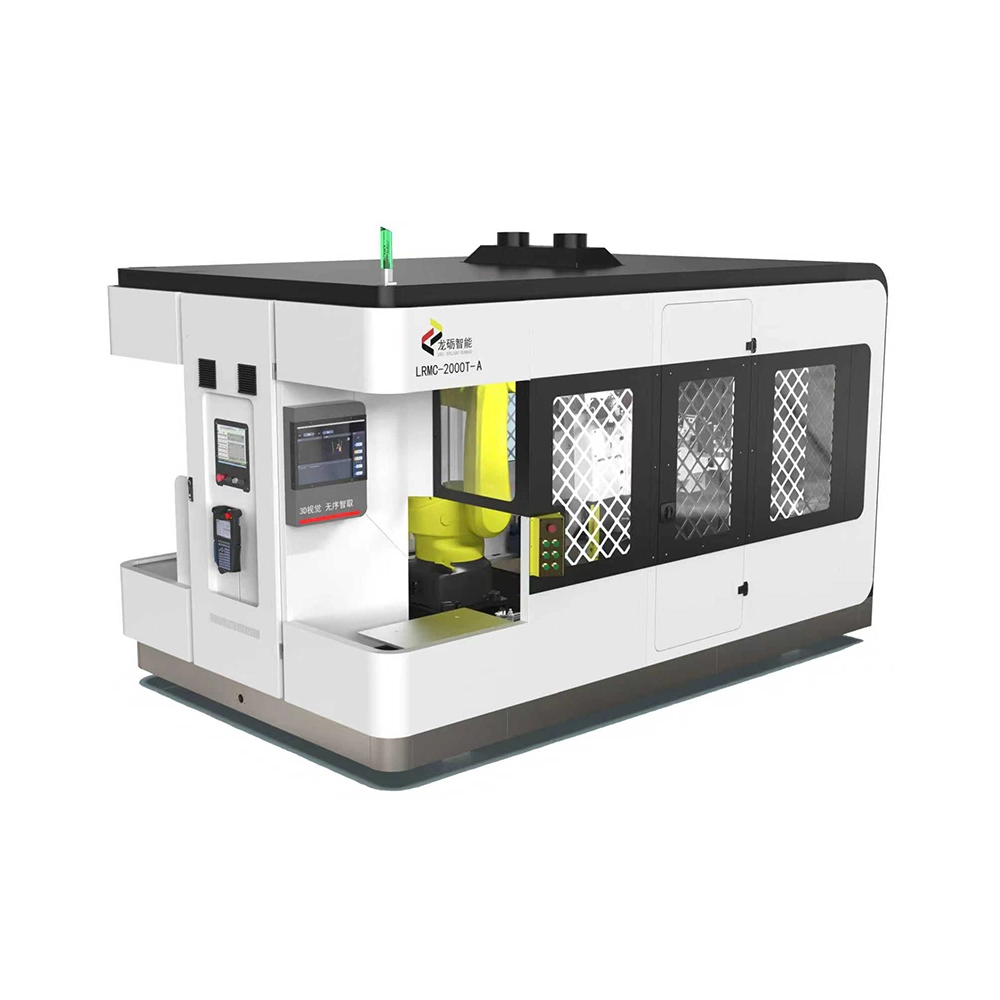
| Feature | Manual Deburring | Semi-Auto Machine | Automatic Sheet Metal Deburring Machine |
| Speed | Slow (1-5 parts/hr) | Moderate (10-30 parts/hr) | Fast (50-300+ parts/hr) |
| Consistency | Low | Medium | High |
| Labor Cost | High | Medium | Low |
| Safety Risk | High | Medium | Low |
| Best For | Small shops | Medium batches | High-volume production |
How Does Material Type Change Your Deburring Machine Choice?
Did you know that if you use the wrong abrasive on the wrong metal that your parts will be totally destroyed? If you are looking for a deburring machine for sheet metal, the first step is to determine what material you are dealing with. Abrasives need careful handling of aluminium and other soft metals. Harder metals such as stainless steel require aggressive cutting tools.
Some metals are heat sensitive, which means that high friction techniques can deform or discolour them. The speed of a belt deburring machine for sheet metal can be set to match the abrasive that is right for each material. Make sure to check the required hardness, thickness and finish specifications before purchasing.
Which Abrasive Works Best for Each Metal Type?
| Metal Type | Recommended Abrasive | Grit Range | Finish Quality |
| Mild Steel | Aluminum Oxide Belt | 80-120 Grit | Medium-Fine |
| Stainless Steel | Zirconia Belt | 60-100 Grit | Fine |
| Aluminum | Silicon Carbide | 100-150 Grit | Very Fine |
| Copper/Brass | Non-woven Nylon Brush | 120-180 Grit | Mirror-Like |
| Titanium | Ceramic Abrasive Belt | 40-80 Grit | Heavy Duty |
Key Factors Material Type Effects in Your Machine Selection
- Abrasive type: For harder metals ceramic or zirconia belts are appropriate, and for softer metals silicon carbide or nylon brushes are more suitable.
- Feed rate: Slower feed rates are needed for uniform deburring of thicker and tougher materials.
- Coolant use: Heat-sensitive metals like aluminium may need a coolant like water or oil to cut down on the heat generated by the operation.
- Surface finish goals: Some materials only require a burr-free finish. Others require mirror polishing. Either option requires a machine that can do either.
- Thickness range: With a good deburring machine, you don’t have to change anything for metal sheets with a thickness of 0.5 mm to 6 mm.
Soft vs Hard Metal: What Changes in Your Setup?
Soft metals are easily scratched. An abrasive of high grit can be used to deeply scratch aluminium surfaces. Feed rates need to be slower and abrasives more aggressive when cutting heavier metals such as titanium or stainless steel. You don’t have to reset an automated flat metal sheet deburring machine with pressure settings each time you switch materials. That’s the kind of flexibility a multi-material shop needs to operate.” Never run an entire batch without testing on a small piece first.
Does RPM Really Affect How Well Your Deburring Machine Works?
One of the most important criteria in the quality of deburring in the sheet metal deburring machine is RPM (rotations per minute). If you set it too high you can scratch or burn the metal. If it is too low, it will not remove the burrs well. RPM varies depending on the type and thickness of metal. A good sheet metal edge deburring machine has an RPM adjustment so you can find the right speed.
Most machines work between 1,000 – 5,000 RPM when working with sheet metal at the low end. For delicate finishing tasks, use spindles with a high speed setting, and for severe deburring, use spindles with a lower speed setting. Learn to control RPM and save energy, get cleaner results and protect your equipment.
RPM Ranges and Their Best Applications in Sheet Metal Work
- 1,000-2,000 RPM: Heavy burr removal on thick mild steel or stainless plates is 1000-2000 RPM.
- 2,000-3,000 RPM: Most metals in medium thick sheets usually deburr in the 2,000 to 3,000 RPM range.
- 3,000-4,000 RPM: Light surface grinding and fine edge finishing of precision parts.
- 4,000-5,000 RPM: Polish thin copper or aluminium sheets at 4,000 to 5,000 RPM to achieve a mirror sheen.
- Variable RPM Control: The ideal multi-material shop running several metals on a regular basis is going to have varying RPM control.
Advantages and Disadvantages of High vs Low RPM Settings
| RPM Setting | Advantages | Disadvantages | Best Sector |
| Low RPM (1k-2k) | Less heat, better control | Slower process, less polish | Heavy Manufacturing |
| Mid RPM (2k-3.5k) | Balanced speed & finish | Needs regular tool checks | General Fabrication |
| High RPM (3.5k-5k) | Fast, fine finish | Risk of overheating metal | Aerospace, Electronics |
| Variable RPM | Fully flexible use | Higher machine cost | Multi-industry shops |
How to Choose the Right RPM Without Damaging Your Parts
Ask the sheet metal deburring machine manufacturer for the recommended RPM for the abrasive type. Then grab a small piece of scrap and work your way up to the speed you want. But be careful not to get too hot. If the metal turns blue or the abrasive smells burned, slow down.
This is greatly facilitated by an automated digitally controlled RPM sheet metal polishing deburring machine. And always run new materials at their max RPM before testing. When managed properly, RPM can increase abrasive life by as much as 40% and improve edge quality.
How Does Spindle Count Change Your Deburring Machine Performance?
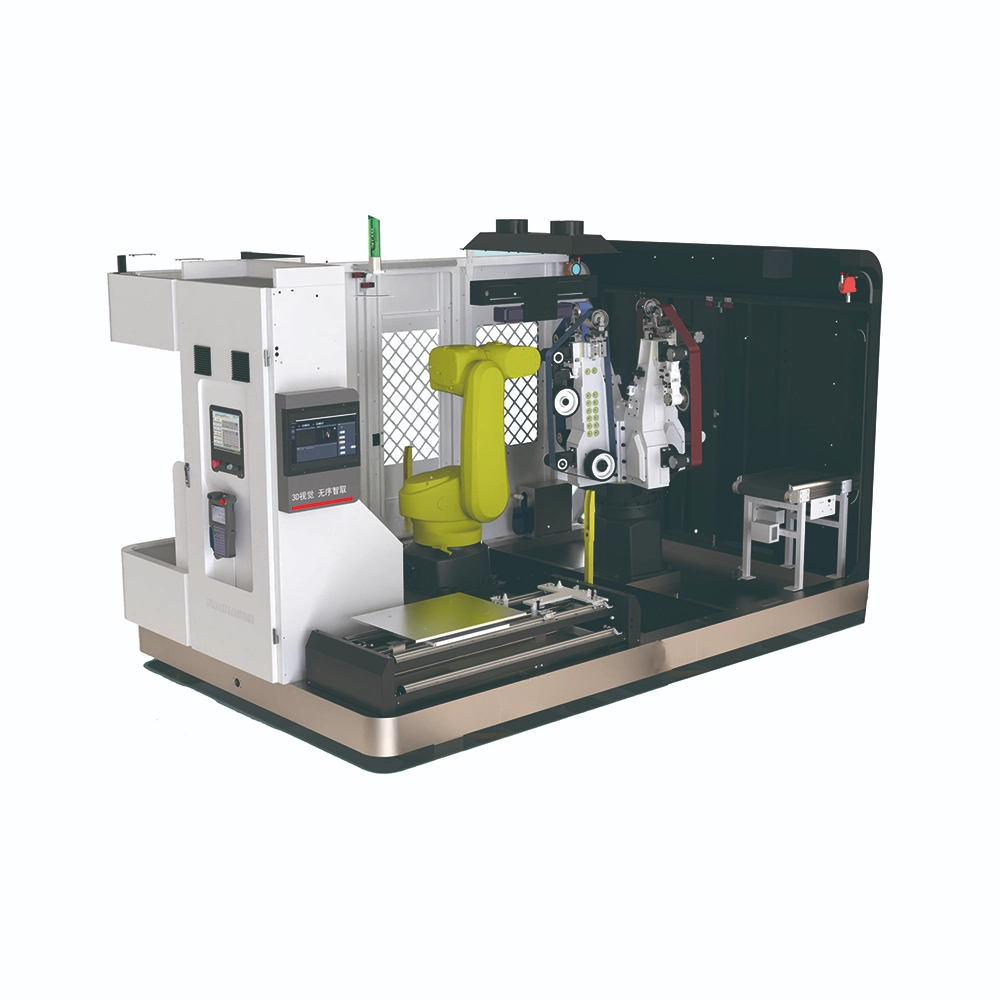
The number of spindles limits the number of surfaces that can be made in one pass, but this is usually ignored. A single-spindle machine can deburr one side of a sheet metal product at a time. With a 2 or more spindle machine, you can deburr top, bottom and edges at the same time. It has a tremendous impact on manufacturing productivity. Adding more spindles allows for more consistent results, less handling time, and fewer passes.
If you are producing in high volumes, it is often worth the investment to consider a multi-spindle metal sheet deburring machine system. It reduces the possibility of human error in placement of the part. It also decreases worker fatigue.
Case Studies: How Spindle Count Impacted Production Results
| Industry | Machine Type | Spindle Count | Result | Summary |
| Auto Parts | Automatic Deburring | 4-Spindle | 60% faster cycle time | Reduced rework by 45% in 3 months |
| Electronics | Belt Deburring | 2-Spindle | Mirror finish on thin Cu sheets | Eliminated manual polishing step |
| Construction | Flat Sheet Deburring | Single Spindle | Clean edges on 4mm steel | Cut injury rate from sharp edges to zero |
| Aerospace | Multi-Spindle Polishing | 6-Spindle | Ra 0.4 finish on titanium parts | Met strict surface spec on first pass |
Spindle Configuration Options and What They Are Best For
- Single Spindle: Best for low volume, small businesses. Good for basic edge deburring, reasonably priced and low maintenance.
- Dual Spindle: Simultaneous processing of top and bottom by dual spindle. Ideal for medium-sized production runs that need dependable output on both sides.
- 4-6 Spindle: The 4-6 spindle can machine corners, edges, and faces simultaneously. Ideal for exact parts used in high volumes in the aerospace and automotive industries.
- Adjustable Spindle Heads: Adjustable spindle heads allow for the production of bevelled or contoured edges. Perfect for fine deburring on sheet metal machinery.
Single Spindle vs Multi-Spindle: Which One Should You Buy?
For daily production of parts below 100, a one spindle machine is generally sufficient. If you run 500 pieces or more per day, then a multi-spindle sheet metal deburring machine pays for itself quickly. It is important to know how long each part takes to complete.
If you need three passes for the same part on a single spindle machine, but only one pass on a 4 spindle unit, the math is simple. LongLi’s multi-spindle machines are the ideal combination of speed, accuracy and power.
What Other Factors Should You Check Before Buying?
Other parameters to check beyond material, RPM and spindle count. Is the biggest sheet you have, wide enough for your machine? The type of belt and the range of grits will affect the finishes you can get. The feed speed control is used to control the rate of part feed. Dust collecting systems keep your crew safe from metal shavings.
The build quality will determine how good a machine is over the years. A durable metal sheet deburring machine should last ten to fifteen years if properly serviced. Before you buy, insist on a test drive with your own parts.
Top 6 Machine Specs to Compare Before You Buy
- Working width: The sheet size must be equal to the widest possible size of the machine’s working width.
- Belt speed range: Look for a belt sheet metal deburring machine for sheet metal, speed range adjustable from 10 to 30 m/min
- Table height adjustment: safety for workers, and easier loading.
- Dust extraction port: built-in or compatible with third party dust collectors.
- Motor power (kW): Increase the motor’s power (in kW) to cut through thicker and tougher metals.
- Digital controls: Setup time is saved with digital controls, such as touch panels and programmable settings.
| Spec | Entry Level | Mid Range | High End (LongLi) |
| Working Width | Up to 600mm | Up to 1000mm | Up to 1500mm+ |
| Spindle Count | 1 | 2-3 | 4-6 |
| RPM Control | Fixed | 2-Speed | Full Variable Digital |
| Material Range | Mild Steel Only | Steel + Aluminum | All Metals incl. Titanium |
| Warranty | 1 Year | 2 Years | 3+ Years with Support |
Frequently Asked Questions
What is the best sheet metal deburring machine for home workshops?
A good start for a small workplace would be one spindle sheet metal deburring machine with variable RPM and 600 mm working width. It works with most common metals for a cheap price.
- Keep the settings simple and changing the belt easy.
- Check if dust collection is part of the design or if it is available as an option.
- LongLi’s mini versions would be useful for small shops with growing demands.
How does RPM affect the final polish when working with stainless steel?
The higher the RPMs on stainless steel the better the finish but beware of building up heat. Better to test at a medium speed before any sudden adjustments. You may have to use some water or cooling oil.
- Most stainless grades perform very well at 2,500 to 3,500 RPMs.
- Zirconia abrasive belts are the best way to polish stainless steel.
- If any discoloration appears on the surface of the metal, monitor the heat and reduce the speed.
Can one machine deburr aluminium and steel?
This is perfectly possible with a high quality, fully automatic sheet metal deburring equipment with variable speeds and replaceable abrasives. Replace the belt and tune the RPM.
- Clean the machine in between metals or you will always have a dirty machine.
- Slower speeds and gentler abrasives are needed for a smooth finish on aluminium.
- For heavy burr removal on steel, use more abrasives and work at lower speeds.
Should you invest in an automated deburring machine?
In short, yes. An automatic flat metal sheet deburring equipment can reduce costs on labour, improve the safety of workplaces, and ensure consistently high-quality results. Many stores can recoup their initial investment from labour savings alone in as few as twelve to eighteen months.
- Automation of machinery greatly reduces the chances of human error or injury.
- They also help to maintain consistent high quality for thousands of parts.
- LongLi automatic versions are covered by full warranties and after-sale service.
Conclusion
Buy a quality sheet metal deburring machine and change your manufacturing process. Before you get to the RPM range and spindle count, make sure your machine is compatible with the type of material you want to work with. Selecting the right machine guarantees that every batch you run will produce higher quality parts, less rework and safer workers.
LongLi is a well-known brand in the field of sheet metal deburring. Their equipment is precision-engineered, made with long-lasting parts and featuring sophisticated control systems, making them ideal for garages and repair businesses of all sizes. LongLi can provide whatever your automated line requires from a small single spindle unit to a complete multi spindle system.