
How is it that so many companies run into problems of uneven coatings, drips and rough edges even after spending money on high-priced machinery? Over the 8 years I have been working in automated finishing system lines I have always seen the same 3 problems that make them fail.
This article will define an automatic finishing system, discuss some of the common reasons for axis count errors, fixture failures and how coolant issues can derail an otherwise flawless finish. By the end of it you will know exactly what to look for before you buy or upgrade your line.
What are the Basics of an Automated Finishing System?
An automated finishing system is a finishing system that applies coatings, sprays or polishes components automatically. Robots, conveyors and sensors make for consistent application of paint, stain or sealant. These systems are used by most firms for metal panels, cabinets, doors and furniture components. The aim is to have a more efficient process with less waste and consistent results.
Many companies prefer automated wood finishing equipment because wood grain needs an even coat to appear attractive. When great areas of wood must receive thick, durable coatings, some people use automated painting equipment. The extra material should not be wasted and this is why a good system also has a recovery arrangement.
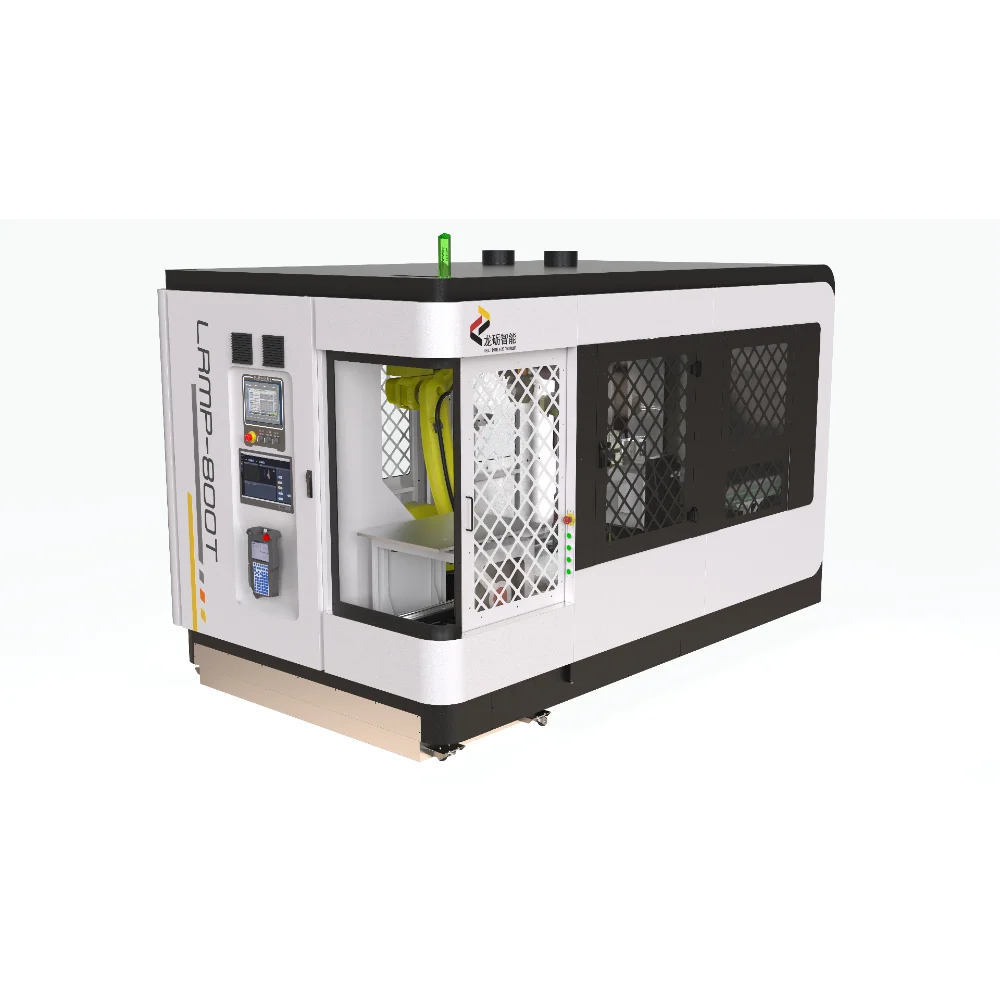
Core Parts Of An Automated Finishing System
| Part | What It Does |
| Spray Robot | Applies coating evenly across the part |
| Conveyor System | Moves parts through each finishing stage |
| Recovery Unit | Captures and reuses excess material |
| Control Panel | Sets speed, pressure, and coating thickness |
How Many Axes Does Your Finishing Line Really Need?
The number of axes your robot has will determine how well it can reach hard forms. A three axis machine is great for spraying flat panels, but has issues with more complicated shapes and deep edges. An intricately carved door or chair can easily be coated with a 5 or 6 axis robot.
Most failures in the automated finishing system occur when the shop buys a low axis machine for making very detailed parts. Pre-selecting the right number of axes can save you money and time in rework.
Major Axis Mistakes In Automated Edge Finishing Systems
This is a myth. More axes does not mean better results. For basic flat components, more axes does not mean anything. More axes on a simple line is just more expensive, less useful. When automated edge finishing techniques are used with too few axes, the opposite occurs: the edges become rough and uneven. The right axis count is budget dependent, but also shape-of-parts dependent.
Axis Count Vs Part Type Guide
| Axis Count | Best For | Limitation | Typical Use |
| 3-Axis | Flat panels, doors | Cannot reach curves | Cabinet faces |
| 4-Axis | Slight curves, edges | Limited tilt angles | Drawer fronts |
| 5-Axis | Curved furniture, mouldings | Higher setup cost | Carved chairs |
| 6-Axis | Complex 3D shapes | Needs skilled setup | Custom furniture |
- After you have examined your most complex component, count the number of axis.
- Use real components, not just flat boards, to run a test.
- Axis demonstrations may be requested from the manufacturer of your automated finishing equipment.
- Keep an eye out for future posts that may require a little more space.
Why Do Fixtures Make Or Break Finishing Quality?
Your part is held steady by a fixture and the robot sprays it . If the fixtures are not tight and parts shift, coatings can end up in the wrong places. Many stores blame the robot when the problem is actually a broken or poorly made fixture. The best fittings hold the component in place but still allow enough air to flow around it. This very small section of the system encompasses most of the issues that get completed.
Fixed Vs Rotating Fixtures: Advantages And Disadvantages
It is held in place by fixed fittings, which is a great option for flat or basic shapes. Rotating fixtures turn the part as it’s being sprayed, so the robot can get to hard-to-reach areas. Rotating arrangements are more expensive, but you don’t have to manually flip pieces. Which is better depends on how much coverage is needed on the hidden sides, the size of the batch to be coated and the shape of the part.
- Fixed fixtures are cheap and easy to set up and are best for flat pieces.
- Rotating fixtures are better covered, there is less human handling and the initial cost is higher.
- Worn fixture grips cause parts to slide about and coats to be uneven.
- Order the exact fittings you need for your parts from a trusted source of automated finishing systems.
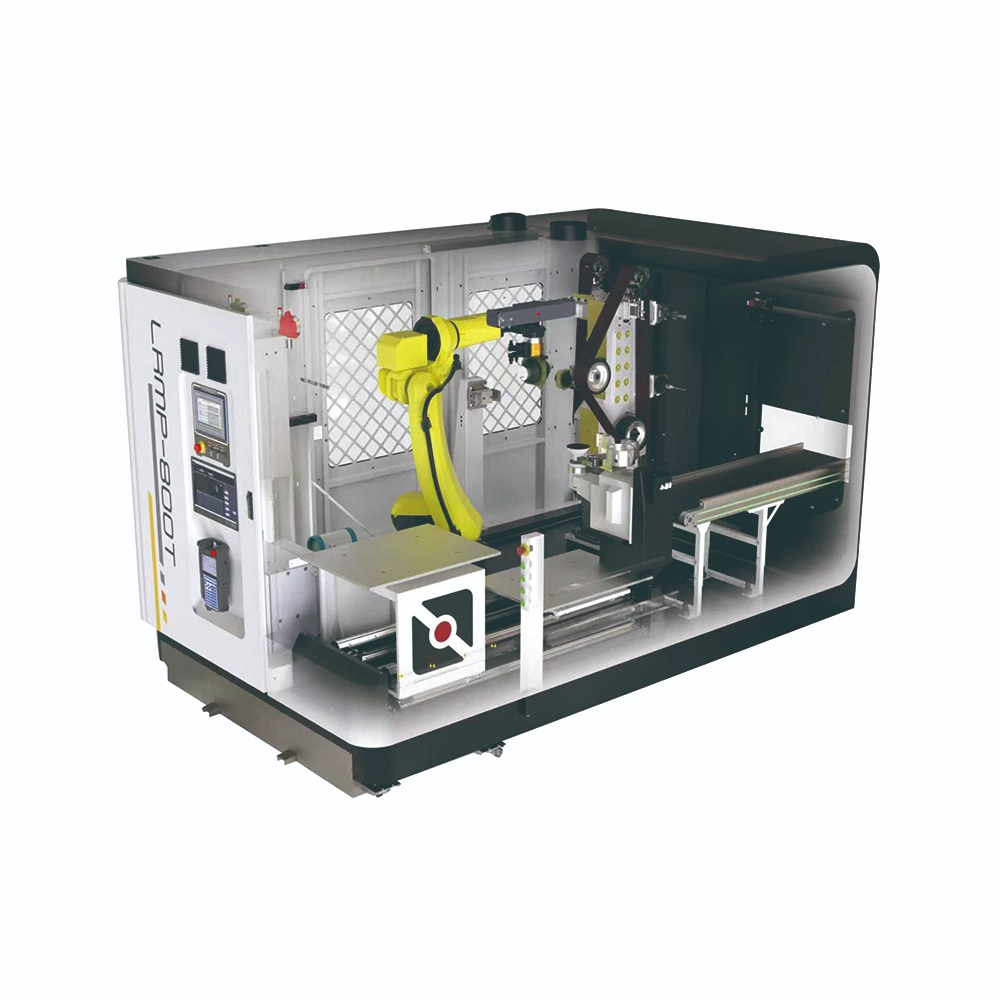
Can Coolant Management Prevent Costly Finish Defects?
Several finishing processes use coolant to keep the temperature down when sanding, cutting or polishing pre-coating. Insufficient or dirty coolant can cause components to overheat, warp, or pick up contaminants. This residue will not allow the paint to adhere properly and will eventually peel off. A simple check of your coolant regularly can prevent serious finishing problems. What some shops will do is skip this step and fix other areas of the line and the same problems keep coming back.
Simple Coolant Habits That Protect Your Finish
More often than not, coolant problems are caused by missed daily checks, not bad equipment. Dirty filters allow tiny particles to settle on the parts before they enter the spray booth. Plus old coolant deteriorates and leaves a film that prevents sticking. Most of these problems are nipped in the bud by having one qualified person make a quick inspection every day.
- At the start of each shift check the colour and level of the coolant.
- Schedule filter cleaning on a weekly basis.
- Change the coolant completely every few months, not just when the bottle is empty.
- Help your employees recognise the early warning signs of contamination.
Real Shop Problems And Coolant Fixes
| Case | Problem | Fix | Result |
| Cabinet Shop A | Paint peeling on edges | Replaced old coolant monthly | Peeling stopped within weeks |
| Furniture Plant B | Rough spots on panels | Added daily filter checks | Smoother finish, less rework |
| Door Factory C | Uneven gloss on batches | Fixed fixture slippage and coolant together | Consistent gloss across runs |
| Metal Parts D | Rust spots before coating | Upgraded coolant filtration | No more rust marks |
Which Industries Gain Most From Automated Finishing?
These technologies are used every day in cabinet shops, door factories, furniture makers and metal part manufactures. Many smaller companies start with an automated fill and finish system for liquids and coatings, and then build up to a full robotic line. When seeking an automated finishing system, it is important to make sure it works in conjunction with your existing products.
- Production of furniture and cupboards.
- Making windows and doors.
- We provide metal panels and parts.
- Custom woodwork studios.
Frequently Asked Questions
Why Do Finishing Lines Occasionally Fail?
Common reasons for failure are problems with the fixture, wrong number of axis, or lack of coolant. Catching problems early, and fixing them, saves money.
- Fasteners that are loose or broken.
- The part shape has an incorrect number of axes.
- Coolant (low or dirty)
How Often Do I Need to Service My Terminal System?
Daily inspection of fixtures and coolant can catch simple problems early. The whole automated finishing system is maintained on a weekly and monthly basis to ensure proper operation.
- Check daily for coolant, fixtures.
- Clean your filter weekly.
- Review the entire system monthly.
Can I upgrade my current system instead of buying new?
Many businesses add new fixtures or axis modules to existing lines. You can extend the life of existing equipment and save money versus buying new.
- Update Legacy Installs with Rotating Fixtures.
- More robot arm axes.
- Improved coolant filtration separately.
How to Identify a Reliable Manufacturer?
Look for a company that can assist with training, replacement parts, and the design of a custom fixture. The after-sale help is as important as the computer itself.
- Prompt assistance.
- Customised fixture picks.
- Successful track record with similar components.
Conclusion
LongLi makes reliable axis configurations, fixtures and clean coolant systems which avoid the problems mentioned above. LongLi has it all, from new lines of automated finishing systems, to components, to continuous service. Their staff will help you choose the right number of axes, design fixtures for your individual components and develop coolant systems to extend the life of your finish.
Contact LongLi now to start a consultation on your project and ensure you get a seamless finish avoiding the common failure spots listed above.