
The shop manager gets three quotes for new deburring equipment. Is the power supply worth the cost? The answer depends on the size of the part, the volume of the part and the hardness of the metal.
The article is a comparison of pneumatic, electric and hydraulic deburring machines. It indicates what is the best use of each type. It also covers common mistakes, costs and how to pick the right machine for your shop.
What Is Deburring Equipment?
Deburring equipment is a machine or tool for removing sharp edges from plastic or metal parts. These edges are known as burrs. Burrs are formed when a part is cut, stamped or machined. ‘Once removed they make the part safe and ready for use.”
Most of the deburring machines are of three types. The groups are pneumatic, electrical and hydraulic. Each group has its own power source. And each has its own strengths and limits, too.
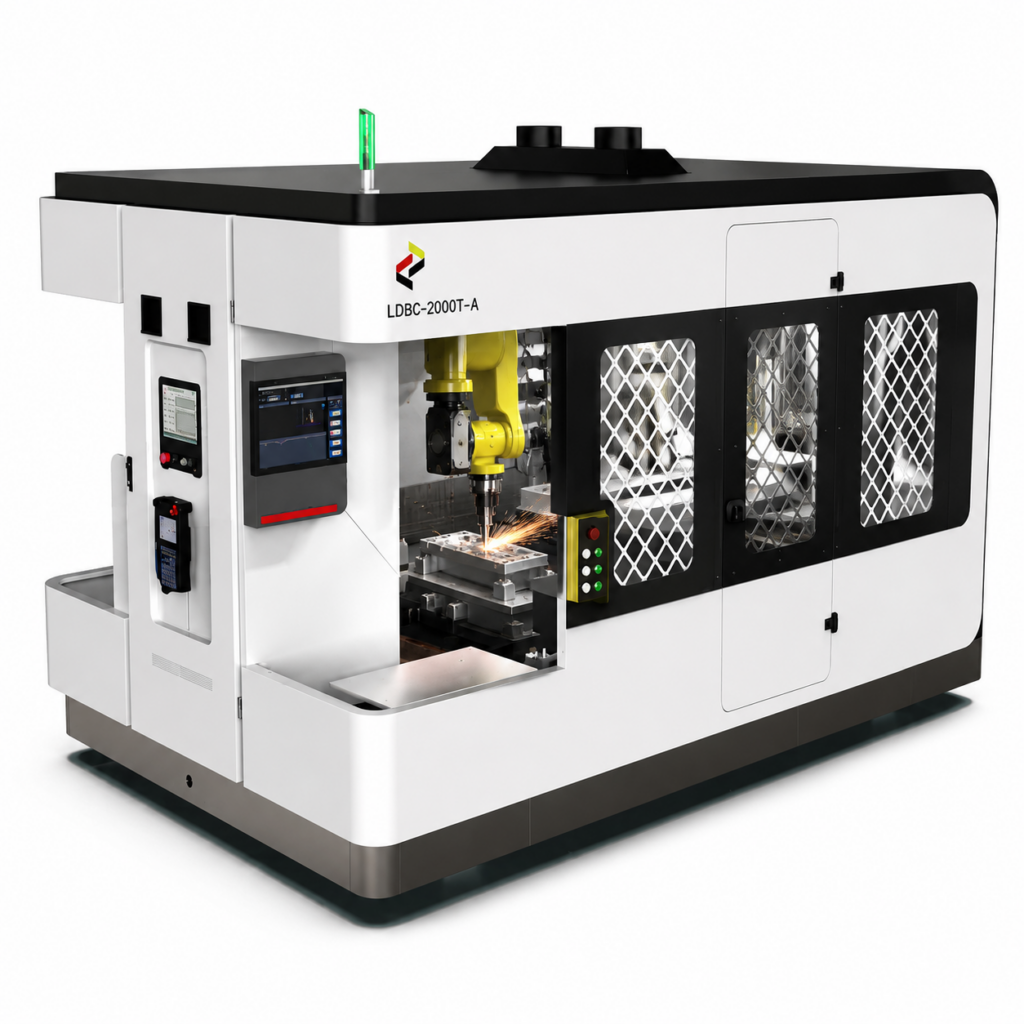
| Type | Power Source | Typical Use | Relative Cost |
| Handheld pneumatic tools | Compressed air | Small batch, precise edge work | Low upfront |
| Electric deburring machines | Motor | Steady production runs | Moderate |
| Hydraulic deburring systems | Fluid pressure | Heavy material removal | High upfront |
| Vibratory deburring equipment | Motor and media bath | Bulk small parts | Moderate |
How Does Pneumatic Deburring Equipment Compare to Electric?
The pneumatic deburring tool is powered by compressed air. It’s fast and simple to use. Motor for electric equipment. It maintains consistent power for heavy use.
Air tools are lightweight and cool to the touch for long shifts. But they require a compressor to work. Electric tools plug in directly. They don’t need any compressor at all.
Some stores mix the two in one queue. Light hand touch-up work is handled by pneumatic tools. The steady repetitive work is done by electric machines. This combination can save both time and money.
| Factor | Pneumatic | Electric |
| Startup cost | Lower | Moderate to higher |
| Power under load | Can drop | Stays steady |
| Noise level | Higher | Lower |
| Best fit | Handheld edge work | Automated lines |
Pros and Cons: Which Power Source Fits Your Shop?
Pneumatic tools are cheaper to buy. But they are more expensive to run in the long run. Electric machines cost more to buy. They’re often cheaper to run on a daily basis.
Hydraulic systems produce the most power. They are good for the heavy deburring equipment manufacturing lines. But they need more maintenance. Fluid levels need to be checked regularly.
- Pneumatic: cheap to buy, noisy, needs a compressor.
- Electric: quiet, steady, but not as brute-force as hydraulics.
- Hydraulic : strongest but heavy and expensive to maintain .
- Vibratory Deburring Device: Good For Lots of Little Parts, Not Big Ones.
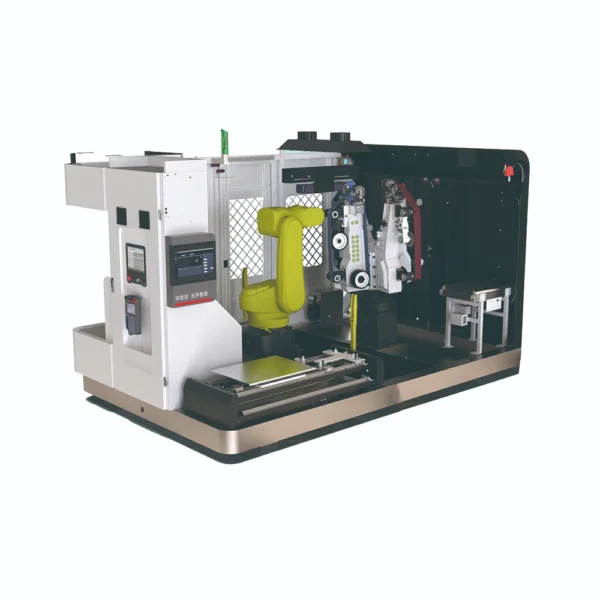
- Robotic deburring equipment: Best for high volumes but higher setup cost.
Match your power source to your part size. Don’t choose based on price alone. Hydraulic force is seldom needed for small parts. Big production runs do.
Where Is Deburring Equipment Used Across Industries?
Deburring machines are used in many industries. Used on stamped brackets by car part makers. Aerospace shops use it for close tolerances. Small parts are used by electronics manufacturers.
Sheet metal deburring machines need light touch. If you press on a thin strip of metal too hard it will buckle. A common mistake is using a powerful hydraulic tool on thin sheet stock. This can distort the part rather than clean it.
Buyers should check a few things first when looking at used deburring equipment. Inspect spindle wear and condition of seals. Ask them if they still make parts for that machine. A little preventative maintenance now will save you money down the line.
What Mistakes Do Shops Make With Deburring Equipment?
A lot of shops use the wrong tool for the job. This is the most common mistake on deburring tool. It’s a waste of time and a waste of parts.
- Too much pressure on thin/soft metal.
- Neglecting routine tool maintenance and inspections.
- Purchasing a machine too big or too small for the real volume.
- Not training operators on new equipment.
- Choosing price over long term running cost.
Each of these mistakes can be remedied with a little planning . Before using it fully, a short test run can help you find problems early. It also helps staff learn the new tool more quickly.
How to Choose the Right Deburring-Equipment Machines
4 questions to help you choose deburring machines. What is your parts volume?” How tough is your metal? What tolerance do you want ? How big is the square footage?
The lower the part volume, the more likely it is to be suited to small pneumatic tools. High volume favours electric or robotic equipment. Hard metal requires more torque. Tight tolerances require fine, steady control.
- First, estimate your daily part volume.
- Check for your material how hard it is.
- Verify your tolerance needs.
- Calculate your floor space.
- Check the running cost, not just the price.
Time-saving deburring equipment costs more at the start. But it can save hours of labour, quickly. Now compare that cost to your current process time. This way you can see if it is worth the investment.
Frequently Asked Questions
What is the difference between edge finishing and deburring?
Deburring is the process of removing sharp burrs left after cutting or machining. Edge finishing is smoothing and shaping the edge. Usually, deburring is done first.
- Deburring removes unwanted sharp material.
- Finishing improves the overall look of the edge.
What is the length of a deburring cycle?
The deburring cycle can take from a few seconds to several minutes. Depends on part size and material. Small handheld is the fastest work.
- Seconds/part: Tools, handheld
- Automated systems: minutes per run
Can a machine deburr and polish at the same time?
Some machines can do light polishing after removing burrs. Usually heavy polishing requires a dedicated station. Doing both can bog down the process.
- Dual purpose-machines compromise speed
- high-volume lines with dedicated stations
Pneumatic or electric tools: which is better for small shops? 0
Air equipment is frequently best for small shops. It is cheaper to start with and requires less power set up. Electric equipment makes sense for larger volumes.
- Lower startup costs with pneumatic tools
- Electricity savings with higher volumes
What is the maintenance of hydraulic deburring equipment?
Hydraulic deburring machines require periodic checks of fluids and seals. Ignoring these checks can lead to leaks or downtimes. A schedule will prevent problems.
- Check fluid levels regularly
- Inspect seals and hoses on a regular basis
Why is deburring devices a good investment?
If the wear is low and parts are still available, used equipment is a good buy. Always check the machine before you buy. Request the maintenance records as well.
- Request previous service history
- First, test the machine under load
Does operating deburring devices require special training?
Yes, there is some basic training needed before regular use of the deburring tool. Operators also have to learn the safe handling and correct settings. Parts are often damaged due to poor training.
- First cover safety measures
- Practice on scrap before the real parts
How often do you service your equipment?
Deburring device should be checked on a regular basis, often monthly. It depends on how much the machine is used. Regular checks will help avoid unexpected breakdowns.
- Light use : Check every few months
- Heavy daily use: inspect monthly
Conclusion
There is no one best power source for deburring equipment. The right choice depends on your parts, your volume and your budget. Pneumatic tools are suitable for small jobs. Electric or hydraulic systems are good for big runs.
LongLi offers a variety of deburring machines. They offer a line-up of products from handheld tools to fully automated systems. This way you can start small and then grow your setup as your production needs evolve.