
How quickly should a shop be able to recover the cost of new deburring equipment? Most plant managers ask that first question. They ask it before they sign a P.O. The same is said by shops that have been using a fast deburring machine for a few years. They measure it by how quickly it pays for itself. The price tag alone is not the whole story.
The following article describes how ROI works on a fast machine. It shows actual payback times. It shows the little mistakes which silently eat up the savings that a shop hoped to have
What Is a Fast Deburring Machine?
A fast deburring machine deburrs metal parts in one pass after cutting. Burrs are the sharp bits and rough spots left over from cutting or stamping. The machine employs rollers, brushes or abrasive belts. They clean an edge in seconds, not in minutes. It removes tedious, manual work.
Most models accept flat sheet, plate or tube parts. They work all day in a busy queue. The main thing is speed. A real “fast” machine will cut an edge in less than 10 seconds. That same edge can take 30 seconds to 90 seconds by hand.
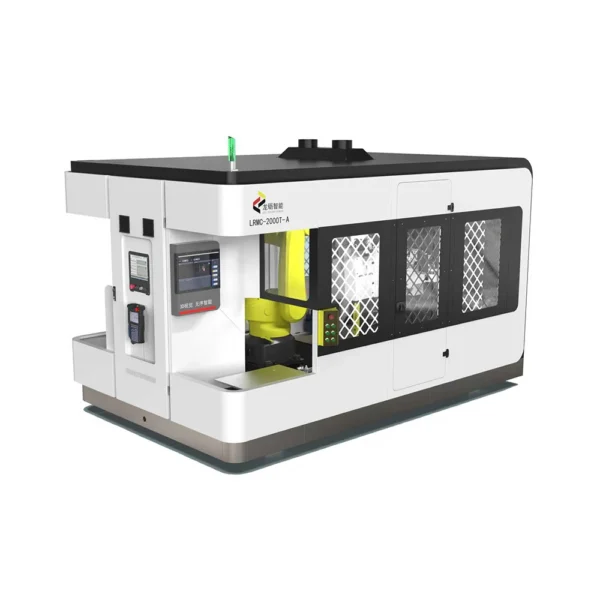
Fast Deburring Machine: Key Specs at a Glance
| Feature | Typical Range | Why It Matters |
| Cycle time per part | 5–15 seconds | Sets how many parts get done each day |
| Feed speed | 1–20 meters/minute | Matches the machine to your output goals |
| Material thickness handled | 0.3mm–25mm | Sets which parts the machine can run |
| Deburr method | Rotary brush, abrasive belt, roller | Affects finish quality and running cost |
| Typical payback period | 6–18 months | The main number buyers watch |
How Does a Fast Deburring Machine Shorten Payback Period?
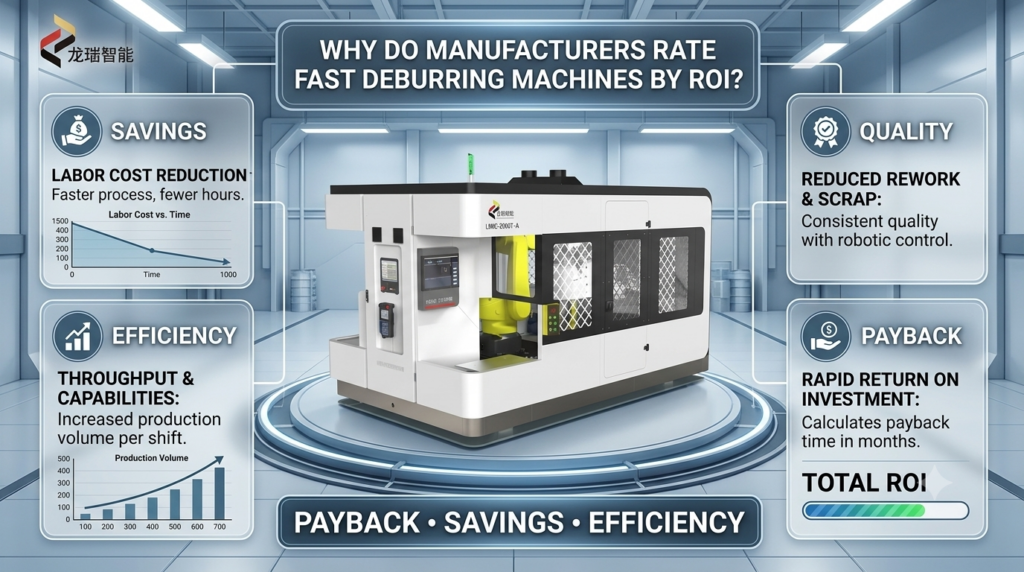
A quick deburring machine saves labour hours. It cuts scrap, too. Both happen in the same shift, so the payback is faster.What used to take a worker a hand grinder now takes seconds through the machine. The worker is free to do other work. Less bad edges Less rejected parts. That’s reduced waste. In a full year, these two savings often exceed the price of the machine.
Key ROI Factors for a Deburring Line
- Labour hours saved per shift- Replacing a single manual station can free up one or two full-time employees.
- Less scrap and rework- even, clean edges mean fewer parts are rejected.
- Cost of supplies per part- Belts and brushes have different wear rates. The cheap ones can cost you more in the long run.
- Fast changeover- A machine that changes between plate, tube or sheet work fast keeps payback on track.
Which Industries Get the Highest ROI From a Deburring Machine?
Shops with a sheet metal or aluminium deburring machine often see the quickest ROI. Most parts each day are made up of these lines. The more parts, the faster the savings.
A stainless deburring machine used in food or medical plants may take a little longer to pay for itself. These parts need more checks first. In the middle is a deburring machine for pipes. The speed it goes depends on how much prep work is done before welding.
ROI Timeline by Sector
| Sector | Typical Part Volume | Main Savings Driver | Typical Payback |
| Sheet metal fabrication | High (1,000+ parts/day) | Labor time per edge | 6–9 months |
| Aluminum components | High | Fewer rejected parts | 8–12 months |
| Stainless steel equipment | Medium-high | Steady, clean finish | 9–14 months |
| Tube and pipe manufacturing | Medium | Faster prep before welding | 10–15 months |
The moral is clear. More parts per day means faster payback for a fast deburring machine
What Hidden Costs Does Manual Deburring Add to a Shop?
The cost of manual deburring is higher than it looks at first sight. Hand tools can cause injuries to workers with passage of time. This raises the risk of injury.
Different workers produce different edges. That means some parts are going bad later. Repairing those parts takes up machine time. Then that time could be used for new orders.
The hidden costs can be divided into four areas:
- Labour swings- edge quality may differ depending on who is on shift.
- Safety hazard- hand grinding exposes you to repetitive motion injury.
- Failed checks- uneven edges cause additional parts to fail inspection.
- Wasted skill- skilled workers spend hours on work that a machine can do in seconds.
How Should a Buyer Compare Deburring Machine Pricing?
If you’re looking at deburring machine for sale listings, first check the cost per part. Don’t just look at the price. Supply costs can be high so a cheap machine can cost more after 3 years. A fast deburring machine that costs a little more but has lower running costs will save more in the long run.
New machines come with a warranty. 3. They are made for solid every day use. Used machines are cheaper up front. But you don’t know how worn out the rollers and belts are already.
Three Numbers That Matter Most
- Cost per part- Divide the price by the number of parts it will work on during its life.
- Supply cost- brushes and belts wear out and need to be replaced.
- Power and space- Bigger machines need more power, and more floor space.
What Common Mistakes Cut Into a Fast Deburring Machine’s Return?
- The biggest mistake is to buy on price alone. First, buyers need to compare feed speed to their actual daily output.
- Another mistake is not running a trial run. First try the machine with your own parts and edges.
- A third mistake is to ignore changeover time. Changing over slowly between different parts slows the whole day down.
- A fourth mistake is to skip training. Unknown workers operate the machine below its full speed.
Mistakes That Delay Payback
- Buy only on price, without checking speed vs daily volume
- Not performing a test using the shop’s parts
- Ignoring changeover time between jobs on plates, tubes or sheets
- Under training employees so that output is below rated speed
- Picking a machine that can’t fit the entire material range of the shop
How Does Automation Level Affect Long-Term Deburring Savings?
Automation means fewer touches per part for a worker. Fewer touches, more savings over time. A fully automatic deburring machine loads, deburrs and unloads parts automatically. Workers need not queue up. That worker is now ready for other work.
A semi-automatic edge deburring machine still requires a worker to load parts. But it does each edge separately. Manual units are less expensive to buy. As the amount of work increases, their savings just increase more slowly.” Bottom deburring machine cleans bottom of stamped or laser cut parts. This place is hard to reach by hand. The biggest gains can often be seen in shops with high part counts.
How Do You Choose the Best Deburring Machine for Your Shop?
First, match machine speed to your actual daily part count. Don’t just chase the highest number on a spec sheet. A shop that makes 200 parts a day doesn’t need the same speed as one that makes 5,000.
Then, look at the range of materials. A plate deburring machine for thick metal may not work well for thin sheet metal. The reverse holds true as well. Finally, when the brushes or belts are worn, test the finish quality. The number is more important at month six than day one.
Frequently Asked Questions
How long does it take for a fast deburring machine to pay for itself?
Usually this machine pays back within 6 to 18 months. Exact time depends on the part volume and labour cost.
- High volume sheet metal lines – often under 9 months
- Low volume or custom shops: closer to 12-18 months
Is a deburr machine the same as a deburring machine?
A deburr machine is just a short name for this type of equipment. Both terms refer to a machine that removes burrs and sharp edges from parts that have been cut or stamped.
- A common sight in quick chats and casual searches
- Either way, it means the same thing
What is the difference between a deburring machine for sheet metal and one designed for tube stock?
A deburring machine for sheet metal uses flat rollers and belts which are sized for plate and sheet edges. A tube-focused unit has spinning heads that move in and out of a round part.
- Usually, the sheet metal units would process more parts per hour
- Tube units get to curved and inner edges that flat rollers can’t reach
Can I use a fast deburring-machine on stainless steel without ruining the finish?
Stainless steel can be cleaned in a fast deburr machine and not damage the surface. This works if the grit on the brush or belt is of similar hardness to the metal.
- Use finer grit belts for a visible or food grade finish.
- Check the manufacturer’s grit chart before running a new material
How much maintenance does a rapid deburring machine require?
A fast machine essentially needs new brushes, belts or rollers at the right time. Most supplies last a week or 2 to a couple months with regular use.
- Check belt and brush wear weekly on busy lines
- Remove metal dust and trash each day
- Replace worn parts before finish quality degrades
Does a fast deburr machine deburr aluminium without marks?
If set up correctly a fast machine can clean up aluminium. Use a softer non-metal abrasive media so it will not leave marks or bits behind.
- Aluminium parts use nonwoven or nylon straps
- Keep Steel and Aluminium Dust off the Same Brush Station
Conclusion
In the case of a fast deburring machine, manufacturers make their decision just as they would for any major purchase. They look at how fast it pays for itself. They also see how much it continues to save beyond that. The quickest payback is from the machines that fit the shop’s real part count, material mix and changeover speed.
Shops looking to compare options might want to take a look at LongLi. It boasts a range of plate, tube and sheet models with feed speeds for high-volume and mixed-batch work. That range makes it easier to match a machine to real day-to-day output, rather than paying for more speed than the queue needs.