
Can Automated Deburring Solutions handle mixed materials? Plastic, Steel, Aluminium
One machine deburrs aluminium, steel and plastic without changing tools or stopping. I have over 12 years experience in the surface finishing industry and I have seen this problem slow down many production lines.
In this article, I’ll talk about what automated deburring solutions are, and why they matter. I will also discuss best techniques, real benefits and which supplier can help you most.
What Are Automated Deburring Solutions and Why Do They Matter?
Automated Deburring Solutions are machines that take the sharp edges and burrs off of parts. and that without any manual work. Burrs are created when metal or plastic is cut, drilled or stamped. Defects, injuries and problems in assembly are caused by leaving burrs on parts. Manual deburring takes time and is inconsistent.
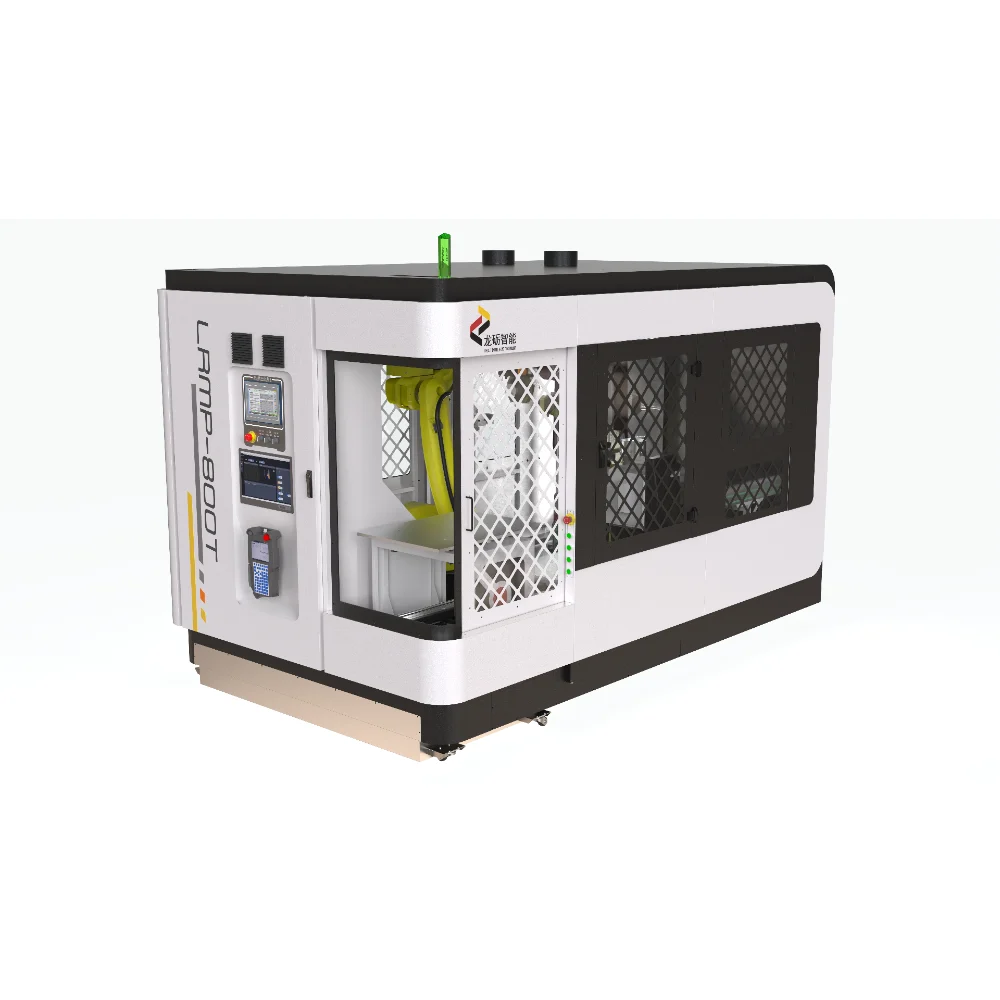
Automated deburring machines use brushes, belts or robotic arms to quickly and uniformly finish parts. They are used in many industries – from car manufacturing to medical devices. They save time, reduce costs and increase the quality of parts. It is very important to have the right automated deburring machine if you have your line running aluminium, steel and plastic together.
| Feature | Manual Deburring | Automated Deburring Machine |
| Speed | Slow | Fast and steady |
| Consistency | Changes with each worker | Same result every time |
| Material Flexibility | Depends on the worker | Works with many materials |
| Labor Cost | High | Low after setup |
| Safety Risk | High- cuts and injuries | Low- enclosed systems |
| Quality Output | Not always the same | Uniform and recorded |
Can One Automated Deburring Machine Handle Aluminum, Steel & Plastic?
Yes it can. This is the most important question to ask before you purchase. New automated deburring machines are being constructed to handle mixed materials on a single line. Each material is unique. Aluminum is soft and can easily scratch. Steel is hard and needs a lot of abrasion. Plastic can be bent out of shape by heat or pressure.
Best automated deburring and finishing robots systems vary brush speed and pressure for each material. Many use smart controllers to change settings as parts move through. This means no breaks in between batches. It saves a lot of time for shops running many different parts every day.
How Does Material Hardness Affect Deburring Settings?
Each material has its own settings. Here’s how the best ones do it:
- Aluminium:- soft brushes, low speed and gentle pressure to avoid scratching
- Steel:- hard abrasives, high force and coarse belts for removal of tough burrs
- Plastic:- very low pressure, slow speed and mild media to avoid melting or warping
- Mixed batches:- the sensors recognise the material and automatically switch to the correct settings.
| Material | Brush Type | Pressure | Speed (RPM) | Risk if Wrong |
| Aluminum | Nylon/Filament | Low | 800–1200 | Surface scratches |
| Steel | Wire/Ceramic | High | 1500–2500 | Burrs left behind |
| Plastic | Soft Foam/Nylon | Very Low | 500–900 | Melting or warping |
| Composite | Hybrid Media | Varies | Programmable | Layer damage |
What Role Does Robotic Integration Play?
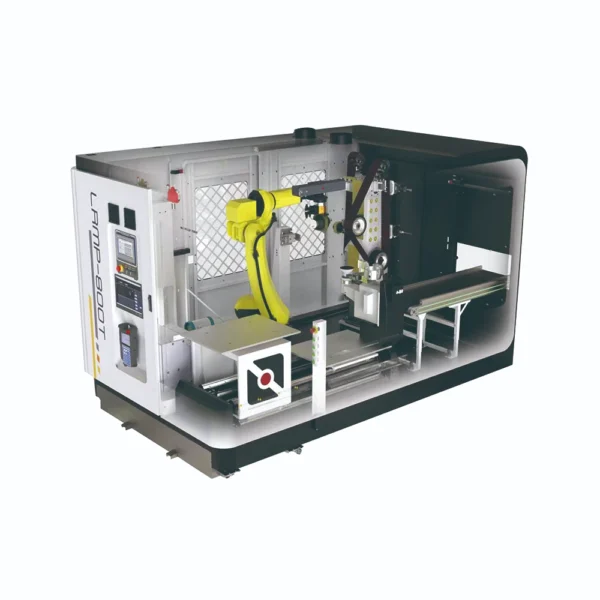
To make the system even more flexible, robots are used for automated deburring and finishing. Robot arms can.
- Rotate parts to get to all sides and edges
- Transition between different materials on their own
- Running all day and all night and never stopping
- Record track quality data for each part
It is common now for factories running multiple part types concurrently to automate robotic deburring.
What Automated Deburring Techniques Work Best for Mixed Material Lines?
The machine is just as important as the method you choose. There are a few different types of automated deburring. Each is better for certain materials and part shapes. The most common is brush deburring, It’s easy on aluminium and plastic. You can also change it to steel. Abrasive belts are preferable for finishing flat steel parts in large batches.
Vibratory finishing can process many small parts simultaneously. Electrochemical deburring is good for metal parts with complex internal shapes. The best finish for mixed lines comes from combining two or more methods in one cell. The secret is a system that adjusts its method to the material.
Brush Deburring vs. Abrasive Belt: Which Is Better?
| Category | Brush Deburring | Abrasive Belt Finishing |
| Best For | Mixed batches, complex shapes | Flat parts, high-volume steel |
| Material Range | Aluminum, plastic, soft metals | Steel and hard alloys |
| Edge Control | Very good | Good- depends on grit |
| Heat | Low | Medium to high |
| Summary | Best choice for mixed lines | Better for steel-only runs |
Pros and Cons of Common Deburring Methods
Brush Deburring
- Works on flat and curved surfaces
- Low heat- safe for plastics
- Brushes need to be replaced as they wear out
- Not powerful enough for heavy steel burrs
Abrasive Belt Finishing
- Fast material removal on steel
- Good surface finishing
- Too hot for plastic
- Works well on simple flat shapes only
Vibratory Finishing (Bulk)
- Ideal for large quantities of small items
- Minimal operator time required.
- Slow down per part
- Less control of finish on each part
Which Industries Use Mixed-Material Automated Deburring?
- Automotive:- aluminium and steel engine components completed in the same cell
- Aerospace:- composite and titanium parts with tight size tolerances
- Electronics:- plastic and aluminium housing, joined together
- Medical devices:- steel and polymer parts, must be completely burr-free
What Are the Real Benefits of Automated Deburring for Mixed-Material Production?
The advantages of automated deburring compared to manual deburring are obvious. Manual deburring is slow, expensive and hazardous. Better automated deburring solutions can reduce labour costs up to 60%. It can also increase the output 3 to 5 times. The biggest payoff for mixed-material lines is reducing changeover time.
No need to shut down the line and retool between aluminium and steel batches. The system does this automatically. Every part gets the same quality finish – regardless of material or shift. Workers move from dangerous, dull tasks to better jobs. The return on investment is very strong over time.
Case Studies: Automated Deburring in Action
| Case Study | Industry | Materials Used | Result |
| Engine Block Finishing | Automotive | Aluminum + Steel | 55% less labor, zero rework |
| Enclosure Deburring Cell | Electronics | Aluminum + Plastic | 4x more output |
| Surgical Instrument Line | Medical | Steel + Polymer | 100% burr-free pass rate |
| Aerospace Bracket Cell | Aerospace | Titanium + Composite | Size held to ±0.02mm |
Key Benefits of Automated Deburring – Quick List
- Same quality every time- regardless of material or worker
- Reduced labour costs- less staff required per shift
- Faster output- no manual steps between ops
- Safer work environment- enclosed systems mean that employees do not get in contact with sharp edges
- Easy to scale- increase volume without increasing staff
- Data tracking- Robotic systems record the completion of each part
Things to Notice in an Automated Deburring Solutions Supplier?
Some suppliers are not good at dealing with mixed materials. Things to verify when looking for an automated deburring solutions supplier:
- Experience with Aluminium, Steel and Plastic jobs.
- Smart, programmable systems, not just fixed speed machines
- Option to add robots for complex or high mix lines
- Good after-sales support, spare parts, training
- References of factories that have similar needs for mixed materials
How Does Deburring Automation Reduce Cost & Improve ROI?
Is the cost of automation for deburring worth it? Yes-most factories recoup their money in 12 to 18 months. Deburring automation takes over one of the most labour-intensive jobs on the floor. When you add up the savings in wages, rework, scrap and injury downtime, they are big. Greater ROI on mixed-material lines.
One setup does the work of many setups or many workers. Smart systems also use the right pressure and abrasives for each material. Brushes and belts are more long-lasting, and waste is reduced.
ROI Factors to Check Before You Buy
- How many hours/week is spent on manual deburring?
- What is the amount of scrap and rework from poor burr removal?
- What is the rate of time-loss injuries?
- How long does it take to change material types / per shift?
- What is your current output compared to your target output?
Look at these numbers and you’ll see automated deburring solutions nearly always prevail.
FAQs
Is it possible to perform aluminium and steel deburring on the same machine in a single run?
Yes. New systems use smart settings that change the brush speed and pressure for each material. Sensors recognise the part and automatically select the correct program.
- Most systems change settings in less than 5 seconds
- No manual tool change between materials
- The quality is the same for both materials
Can automated de-burring harm plastic parts?
No, if the machine is properly set up. Plastic needs low pressure, slow speed and soft media. A good automatic deburring machine has a special program for plastic parts.
- Plastic: Soft foam or nylon brushes.
- The heat is kept very low to prevent warping.
- The feed speed is reduced to protect the surface
How is robotised automated deburring and finishing different from a standard machine?
Robots are more capable. They perform well on complex shapes and mixed material jobs. Standard machines are faster for simple, flat parts in large quantities.
- Robots can reach all sides and internal edges of a part
- Flat, simple shapes work best with standard machines
- Robotic cells are perfect for mixed material, mixed shape lines
How quickly can you see ROI from automated deburring solutions?
Most factories get paid back in 12 to 24 months. Depends on the cost of labour, the volume of output and current rates of scrap.
- The biggest driver where labour savings are concerned
- Less scrap, less rework = faster return
- Better output = quicker gain
Conclusion
Picking the right machine, method, and supplier makes all the difference. Deburring automation gives you better quality, lower costs, and a safer workplace all at once. If you are tired of slow manual work and uneven results across aluminum, steel, and plastic, it is time to act.
LongLi is the leading supplier of automated deburring solutions for mixed-material lines. They have proven machines, expert support, and a strong track record in automotive, aerospace, electronics, and medical industries. Their systems are built for complex, real-world production.